
-
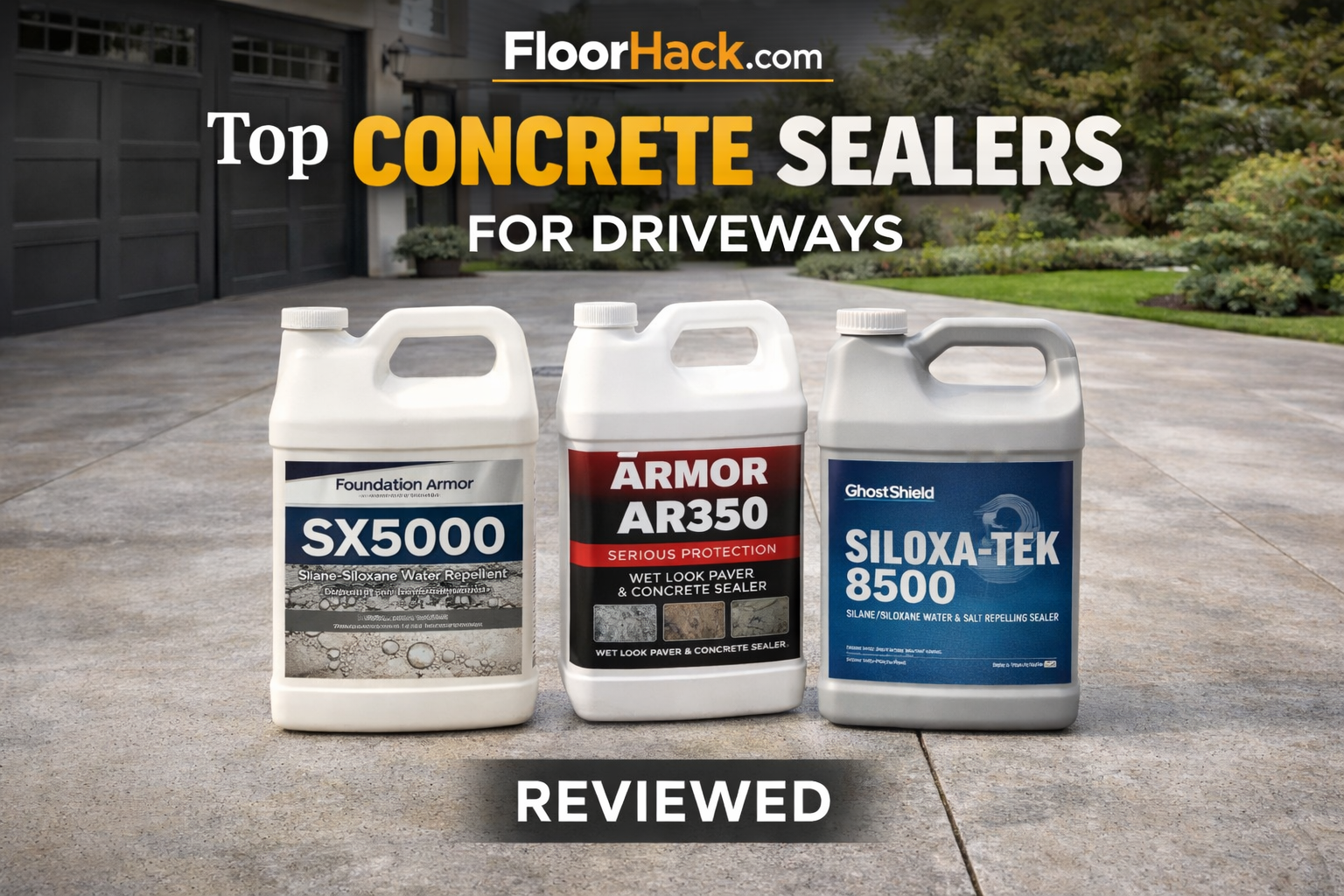
Top Concrete Sealers for Driveways Reviewed
If your driveway is starting to look a little tired, you are not alone. Concrete might seem tough and maintenance-free, but over time it takes a beating. Oil stains, water penetration, freeze-thaw cycles, and even sunlight slowly break it down. This is exactly where a good concrete sealer comes in. But here is the honest…
-
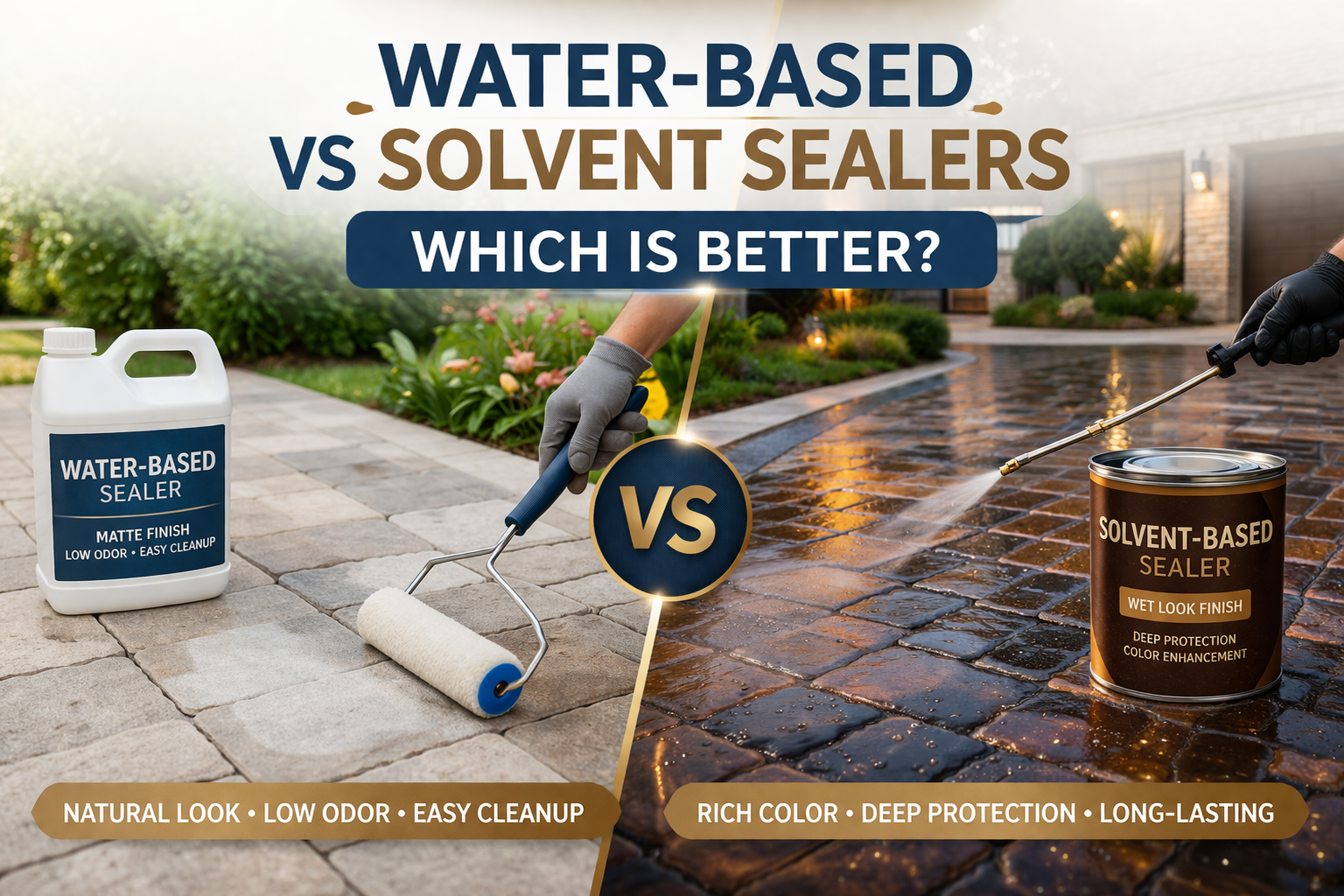
Water-Based vs Solvent Sealers: Which One Should You Actually Use?
If you’ve ever sealed pavers, concrete, or natural stone, you’ve probably hit this exact question: Should I go with a water-based sealer or a solvent-based one? On paper, they both “protect surfaces.” But in real-world use, they behave very differently—and choosing the wrong one can lead to peeling, discoloration, or just wasted money. I’ve seen…
-
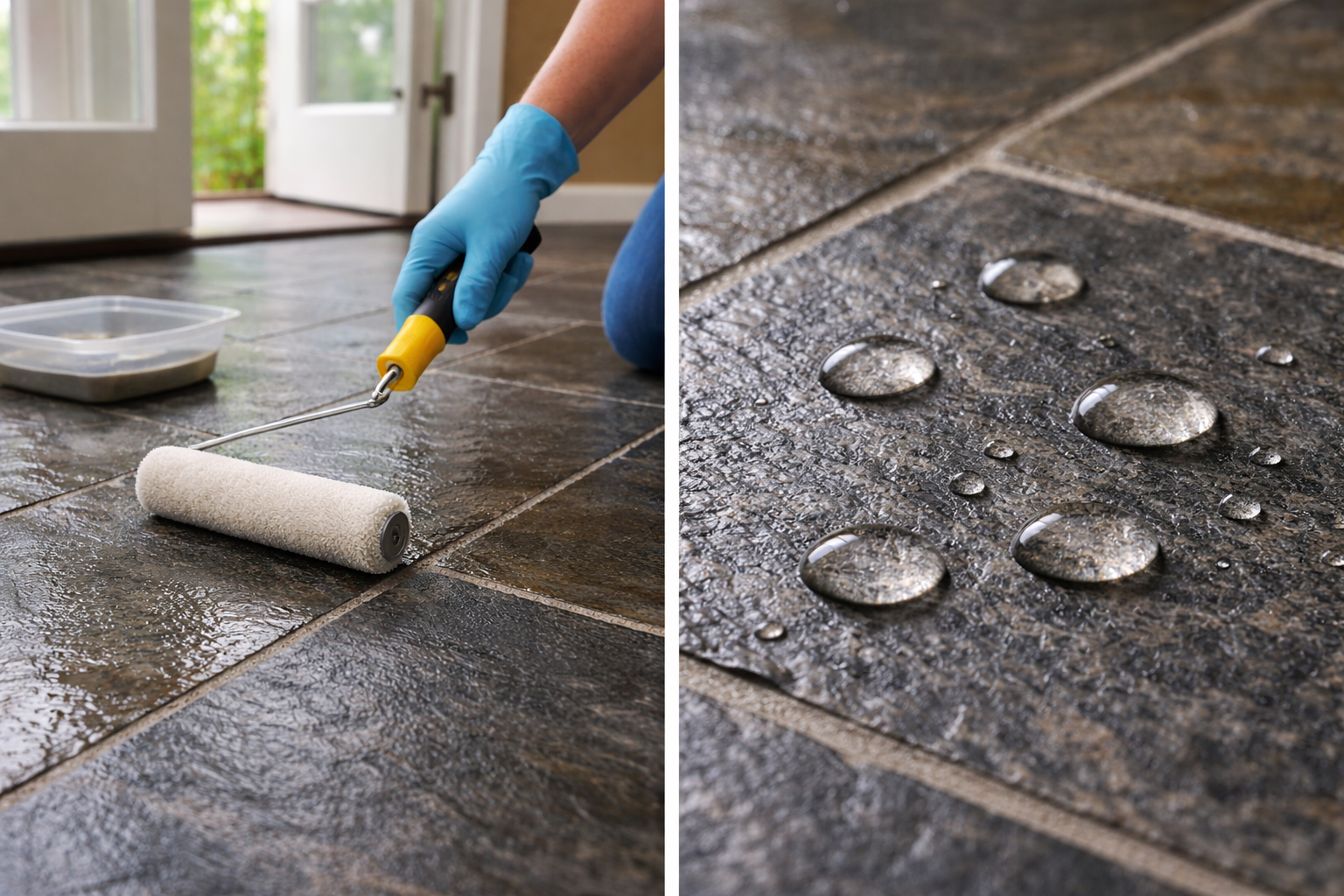
How to Use a Floor Sealer Properly (Step-by-Step Guide for Long-Lasting Protection)
Using the right floor sealer the correct way makes the difference between long-term protection and costly surface damage. Whether you’re sealing natural stone, tile, or other porous flooring, proper application ensures durability, stain resistance, and a professional finish. This guide explains how to choose the right sealer, test its quality, apply it correctly, and fix…
-
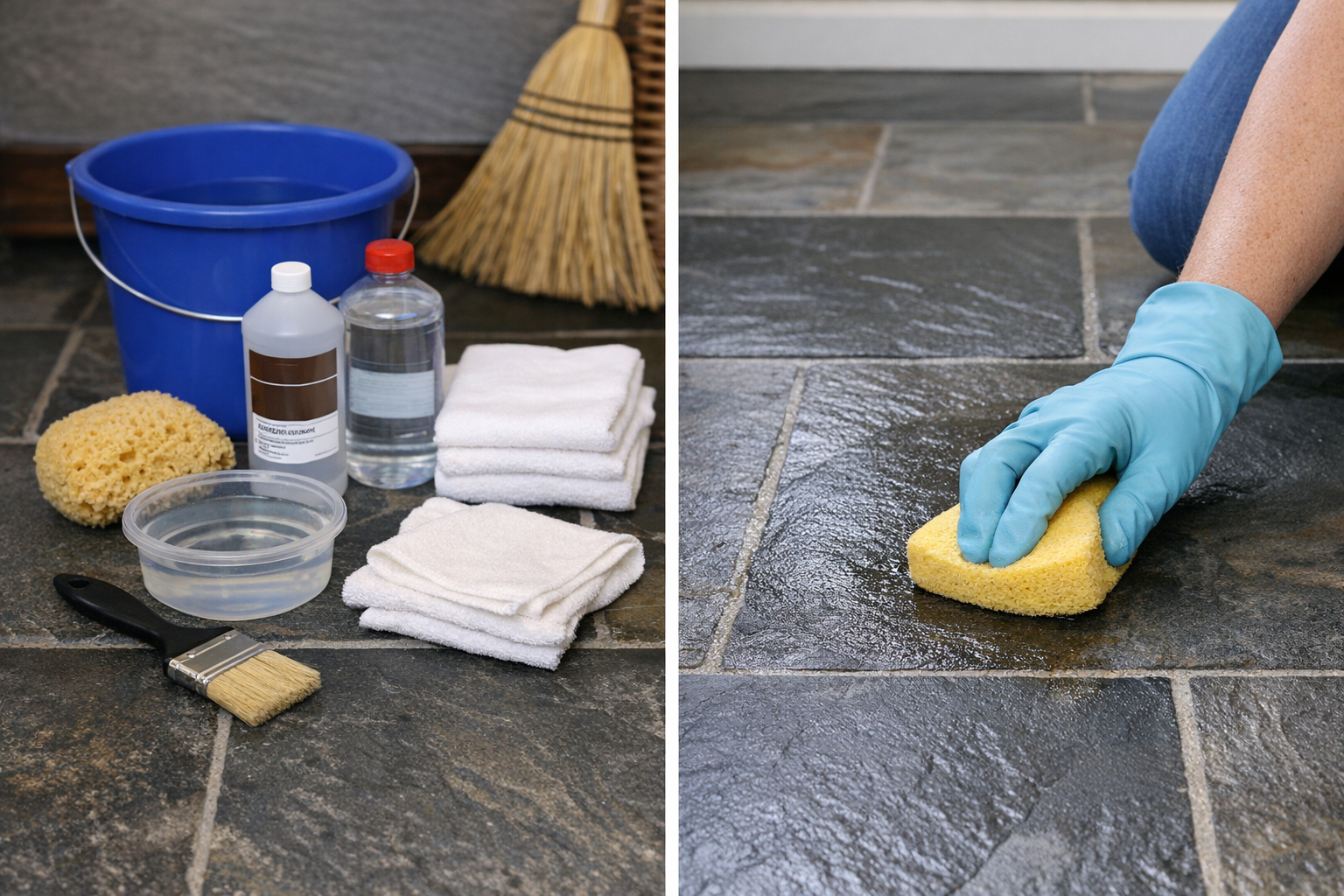
How to Clean and Seal Slate Floors (Without Damaging the Stone)
Do you have slate stone in your home and worry about damaging it while cleaning? Your concern is completely valid. Although slate is known for its durability, resistance to temperature changes, and dense, hard-wearing structure, it is still a natural stone. Like all natural stones, it can react to certain cleaning products — especially acidic…
-
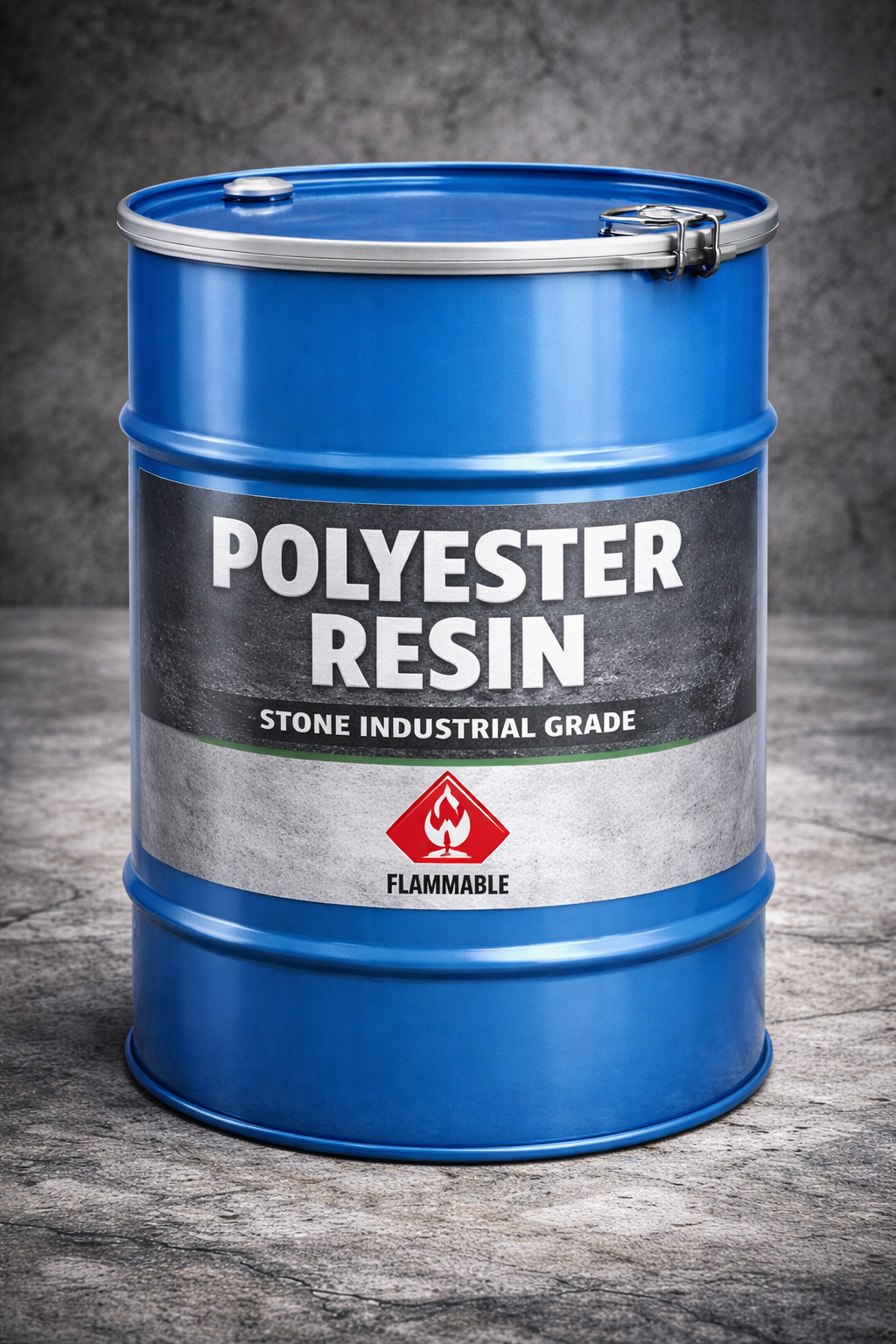
What is Polyester, why it used for Stone Processing Vs epoxy resin
Specifications: Unsaturated Polyester Resin – UPR Specifications may vary by manufacturer and formulation grade. Chemical & Physical Characteristics: Polyester resin used in stone fabrication is a thermosetting polymer composed of unsaturated polyester dissolved in styrene monomer. When mixed with MEKP catalyst, it undergoes an exothermic polymerization reaction, converting from liquid to solid. Key Performance Properties:…
-
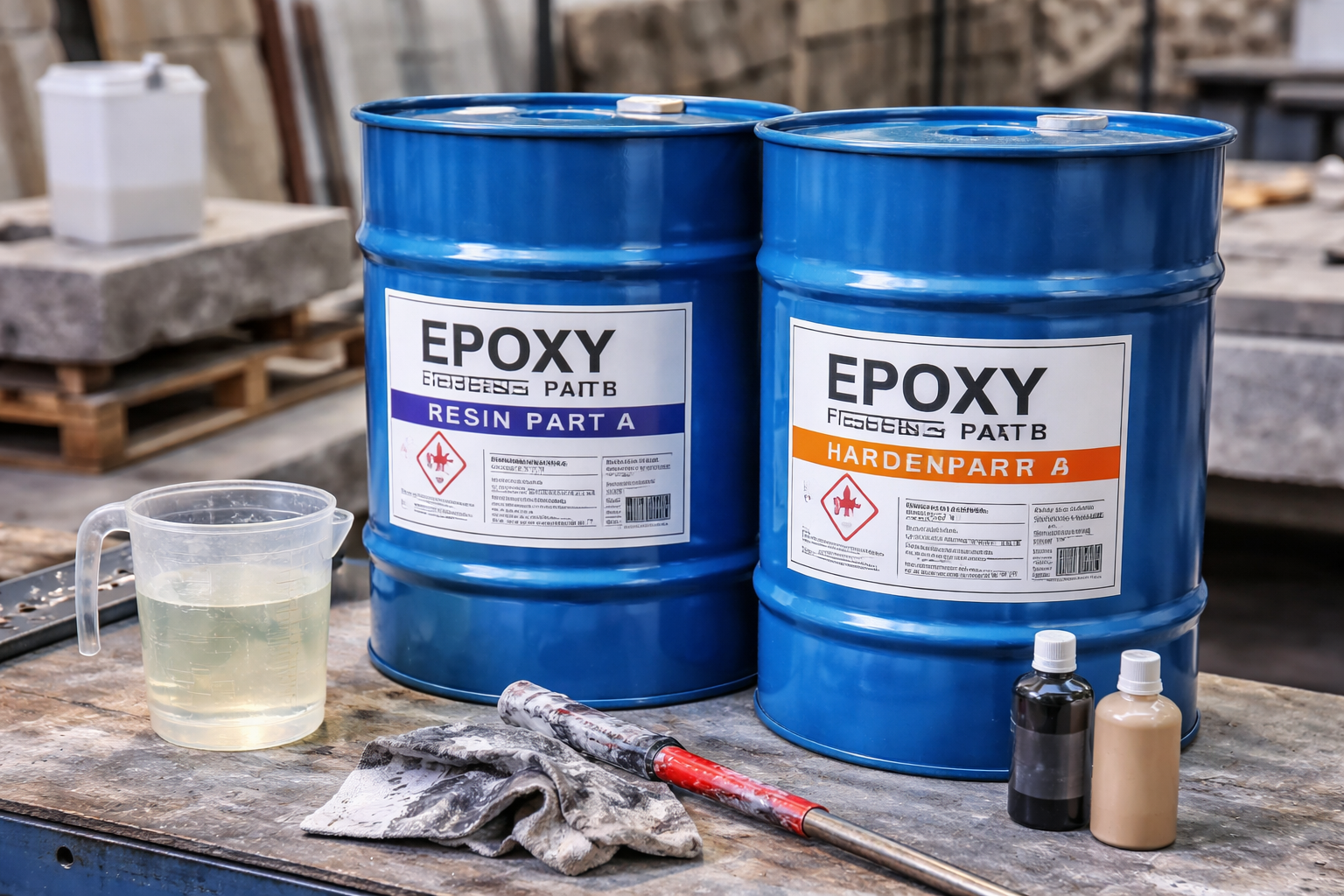
Epoxy Specifications and Use in Natural Stone
Product Category: Industrial Chemical – Epoxy Resins (Stone Processing & Fabrication) Below is structured for affiliate + educational authority content. Epoxy Systems Used in Natural Stone Processing Specifications: Specifications vary depending on type (penetrating, knife-grade, structural, UV-stable, etc.). Chemical & Physical Characteristics: Stone-processing epoxies are thermosetting polymers formed through a chemical reaction between epoxy resin…
Proudly powered by StudioGozar