
If you’re planning a modern patio, chances are you’ve already come across porcelain pavers. And honestly, there’s a good reason they’re everywhere right now. They look clean, minimal, and high-end without demanding the kind of maintenance natural stone usually does.
But here’s the thing most guides don’t tell you: not all porcelain pavers are the same. Some hold up beautifully for years, while others can disappoint if you choose the wrong finish, thickness, or brand.
So in this guide, I’ll walk you through the best outdoor porcelain pavers for modern patios, based on real-world use, feedback from homeowners, and what actually works on job sites.
If you like to know more about different type of hardscape see the relevant posts HERE.
Why Porcelain Pavers Are Taking Over Modern Patios
Before jumping into specific options, it helps to understand why porcelain has become such a go-to material.
Porcelain pavers are made from dense, kiln-fired clay. That process creates a surface that is:
- Extremely durable under foot traffic
- Resistant to water absorption (usually under 0.5%)
- Fade-resistant even under strong UV exposure
- Low maintenance compared to natural stone or wood decking
From a design perspective, they also offer something unique: consistency. If you’re aiming for a modern patio with clean lines and uniform color tones, porcelain delivers that better than most natural materials.
Top Outdoor Porcelain Paver Styles for Modern Patios
1. Large Format Concrete-Look Porcelain Pavers


These are probably the most popular choice right now. Think smooth gray tones, matte finishes, and oversized slabs.
They work especially well if you’re going for a minimalist or industrial-style patio.
Why people like them:
- Clean, seamless look
- Works well with black metal furniture and glass
- Hides dirt better than lighter finishes
Where they fall short:
- Can feel a bit plain if not paired with landscaping
- Cheaper versions sometimes look artificial up close
2. Wood-Look Porcelain Pavers


If you like the warmth of wood but don’t want to deal with sealing, staining, or warping, this is your lane.
These pavers mimic real wood surprisingly well, especially newer versions with textured finishes.
Why people like them:
- Warm, inviting look
- Great for blending indoor and outdoor spaces
- No splintering or rot
Where they fall short:
- Pattern repetition can become noticeable
- Lower-end products can look “printed”
3. Stone-Look Porcelain Pavers


These replicate natural stone like travertine, limestone, or slate, but without the maintenance headaches.
Why people like them:
- More natural variation than concrete styles
- Matches traditional and modern homes
- Often available in neutral tones
Where they fall short:
- Premium options can be expensive
- Some textures can be rough on bare feet
Pros and Cons of Outdoor Porcelain Pavers
Here’s a straightforward breakdown you can copy and compare easily:
| Pros | Cons |
|---|---|
| Very low water absorption | Can be slippery if not textured |
| Resistant to stains and mold | Higher upfront cost than concrete |
| Fade-resistant in sun | Requires proper base installation |
| Easy to clean | Cutting requires special tools |
| Consistent color and sizing | Can feel hard underfoot |
What Real Users Are Saying
After digging through forums, contractor feedback, and homeowner reviews, a few consistent patterns show up.
Positive feedback:
Most homeowners love how easy porcelain is to maintain. A simple rinse or occasional pressure wash usually does the job. Many also mention that even after a couple of years, the color looks exactly the same as day one.
Another thing people appreciate is how “finished” the space looks. Porcelain tends to give patios a polished, almost indoor feel.
Common complaints:
Slipperiness comes up a lot, especially around pools. This usually happens when people choose smoother finishes instead of slip-resistant (R11 or higher) textures.
Installation mistakes are another big one. Uneven bases, poor drainage, or incorrect spacing can lead to movement or cracking, even though the material itself is strong.
There are also occasional complaints about heat retention in darker colors, especially in hotter climates.
To Order different type of Porcelain Paver for outdoor see our Sourcing Page or our Shop.
How to Install Porcelain Pavers the Right Way
This is where many projects either succeed or fail.
Step 1: Prepare a Solid Base
You’ll need a compacted gravel base, typically 4–6 inches deep. This ensures stability and drainage.
Step 2: Add a Bedding Layer
A layer of sand or a pedestal system (for elevated patios) helps level the pavers.
Step 3: Choose the Right Thickness
- 20mm (2 cm): Standard for outdoor patios
- Thicker options: Better for driveways or heavy loads
Step 4: Maintain Proper Spacing
Use spacers to allow for slight movement and drainage.
Step 5: Edge Restraints Matter
Without proper edge support, pavers can shift over time.
A lot of DIYers underestimate this step, but it’s one of the biggest reasons patios fail early.
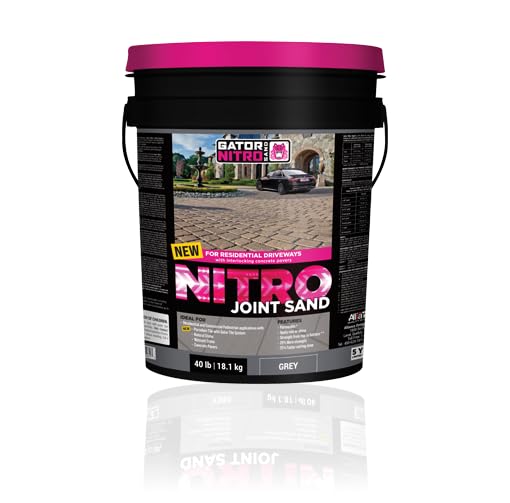
Joint Sand | Manual Tile Cutter |
|---|---|
 |  |
Buying Guide: What Actually Matters
When you’re shopping for porcelain pavers, don’t just look at color or price. These factors make a real difference:
1. Slip Resistance Rating
Look for R11 or higher if the area gets wet. This is especially important for pool decks or rainy regions.
2. Thickness
Stick with 20mm for most patios. Anything thinner may not hold up outdoors.
3. Finish Type
- Matte: Best for modern patios
- Textured: Better grip
- Polished: Avoid outdoors
4. Color Choice
Lighter colors stay cooler but show dirt more easily. Darker tones hide dirt but can get hot.
5. Brand Reputation
Some manufacturers have better consistency and quality control. Reviews matter more than marketing here.
Common Mistakes to Avoid
A few things I’ve seen repeatedly go wrong:
- Choosing indoor porcelain tiles for outdoor use
- Skipping proper base preparation
- Ignoring drainage slope
- Using smooth tiles in wet areas
- Not ordering extra pieces for cuts and replacements
Avoid these, and you’ll already be ahead of most homeowners.
Are Porcelain Pavers Worth It?
If you want a modern patio that looks sharp and stays that way with minimal effort, porcelain is hard to beat.
It’s not the cheapest option upfront, but over time, the low maintenance and durability often balance things out.
That said, it’s not a perfect material. If you prefer a more natural, organic look with variation, real stone might still appeal more to you.
Final Thoughts
Porcelain pavers are one of those materials that really deliver when chosen and installed correctly. They offer a balance of style, durability, and practicality that fits modern outdoor living spaces perfectly.
The key is not rushing the decision. Take time to compare finishes, check real-life installations, and think about how the space will actually be used.
A patio isn’t just about looks. It’s about how it feels to live with it day after day.
Disclaimer
This content is based on information from various sources and represents recommendations according to available data. Quality and correctness of products are the responsibility of manufacturers and sellers.
Leave a Reply