
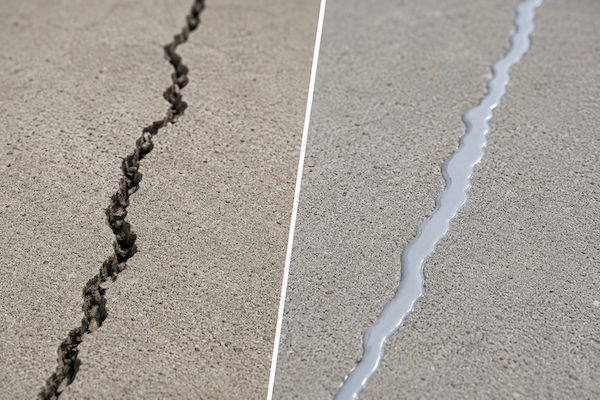
Concrete is one of the most durable materials used around homes, but even the strongest concrete eventually develops cracks. Whether it’s a driveway, sidewalk, patio, garage apron, or pool deck, outdoor concrete constantly faces moisture, temperature swings, UV exposure, and ground movement.
The good news is that not every crack requires expensive replacement. In many situations, a quality concrete crack filler can stop damage from spreading, improve appearance, and extend the life of the surface for years.
The challenge is choosing the right product. Walk into any home improvement store and you’ll find dozens of options claiming to be the best solution. Some work exceptionally well, while others may only provide a temporary fix.
In this guide, we’ll explore the best concrete crack fillers for outdoor use, examine real homeowner experiences, discuss common mistakes, and help you choose the right product for your project.
If you like to know more chemicals, you can check topics here.
Why Outdoor Concrete Cracks
Before choosing a filler, it’s important to understand why cracks develop.
Most outdoor concrete cracks occur because of:
- Freeze-thaw cycles
- Soil movement
- Tree root pressure
- Heavy loads
- Improper installation
- Concrete shrinkage during curing
Small hairline cracks are often cosmetic, but larger cracks can allow water infiltration, which accelerates deterioration over time.
The sooner cracks are repaired, the easier and less expensive the fix usually becomes.
Types of Concrete Crack Fillers
Not all crack fillers are designed for the same purpose.
Acrylic Crack Fillers
Acrylic fillers are popular for small cracks and cosmetic repairs.
Advantages
- Easy application
- Affordable
- Paintable
- Water cleanup
Limitations
- Less flexible
- Shorter lifespan in harsh climates
Best for:
- Hairline cracks
- Decorative concrete
- Light-duty repairs
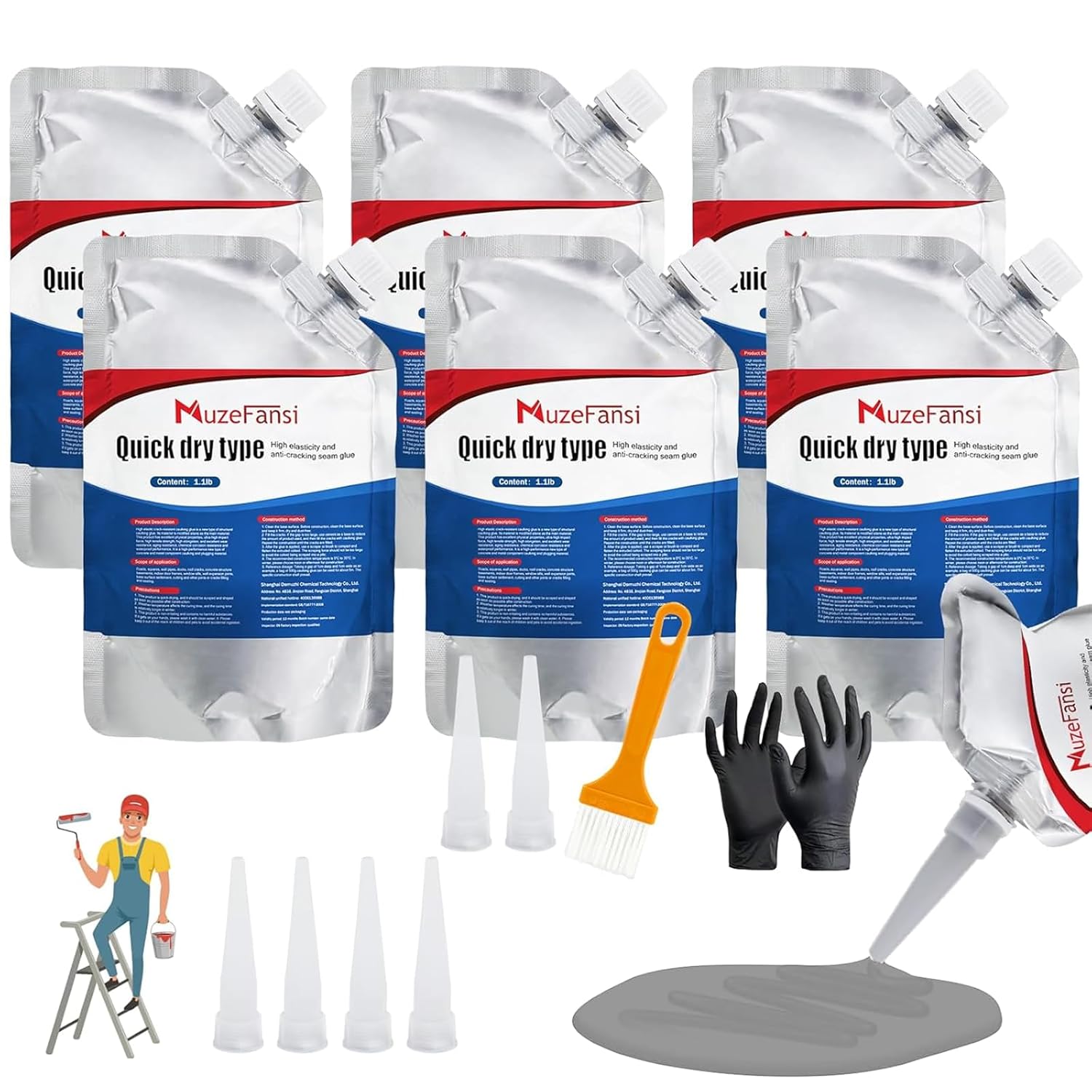
Concrete Filler |
|---|
 |
Polyurethane Crack Fillers
Polyurethane products are among the most popular outdoor crack repair solutions.
Advantages
- Excellent flexibility
- Weather resistant
- Strong adhesion
- Handles expansion and contraction
Limitations
- More expensive
- Requires careful application
Best for:
- Driveways
- Sidewalks
- Patios
- Expansion joints
Many contractors consider polyurethane one of the best choices for long-term outdoor repairs.
Concrete Filler |
|---|
 |
Self-Leveling Crack Sealants
These products flow into cracks without tooling.
Advantages
- Easy installation
- Smooth finish
- Excellent penetration
Limitations
- Best on horizontal surfaces only
Ideal for:
- Driveways
- Garage floors
- Walkways
Concrete Filler |
|---|
 |
Epoxy Crack Fillers
Epoxy products create extremely strong repairs.
Advantages
- High strength
- Durable bond
- Structural repair potential
Limitations
- Less flexible
- Can crack if movement continues
Best for:
- Stable concrete
- Structural repairs
- Commercial applications
Concrete Filler |
|---|
 |
Best Situations for Each Crack Filler Type
| Crack Type | Recommended Filler |
|---|---|
| Hairline cracks | Acrylic filler |
| Driveway cracks | Polyurethane filler |
| Expansion joints | Flexible polyurethane |
| Pool deck cracks | UV-resistant polyurethane |
| Structural cracks | Epoxy repair system |
| Sidewalk repairs | Self-leveling sealant |
What Homeowners Say About Concrete Crack Fillers
After reviewing homeowner discussions, contractor forums, and product reviews, several trends become clear.
Positive Feedback
Users consistently appreciate products that:
- Remain flexible after curing
- Match concrete color reasonably well
- Resist shrinking
- Handle seasonal movement
Polyurethane-based products receive some of the highest satisfaction ratings because they remain flexible over time.
Common Complaints
Negative reviews often mention:
- Poor surface preparation
- Incorrect crack sizing
- Product shrinkage
- Mismatched color
- Repaired cracks reappearing after winter
Interestingly, many failures result from application mistakes rather than poor product quality.
Lessons Learned from Experienced Users
Homeowners who report long-lasting repairs often share similar advice:
- Clean cracks thoroughly.
- Remove loose debris.
- Repair cracks before winter.
- Follow curing instructions exactly.
- Use backer rod for deeper cracks.
These simple steps dramatically improve success rates.
Top Features to Look For
Flexibility
Outdoor concrete moves constantly.
Temperature changes cause expansion and contraction, so a flexible filler generally performs better than rigid products.
UV Resistance
Sunlight can degrade some repair materials over time.
Look for products specifically rated for outdoor exposure.
Waterproof Performance
Water intrusion is one of the biggest causes of concrete deterioration.
A quality crack filler should create a waterproof barrier that prevents moisture from entering the crack.
Ease of Application
Some products require:
- Mixing
- Special tools
- Precise timing
Others come ready to use directly from the tube.
DIY homeowners often prefer simpler application systems.
Durability
Higher-quality fillers may cost more initially but often last significantly longer.
A repair that lasts ten years is usually cheaper than repeating the same repair every few seasons.
How to Repair Outdoor Concrete Cracks
Step 1: Inspect the Crack
Determine:
- Width
- Depth
- Cause of cracking
Structural movement may require professional evaluation.
Step 2: Clean the Crack
Remove:
- Dirt
- Grass
- Loose concrete
- Dust
A wire brush and shop vacuum work well.
Step 3: Install Backer Rod if Needed
For deeper cracks:
- Insert foam backer rod
- Reduce sealant waste
- Improve flexibility
This step is often overlooked by beginners.
Step 4: Apply the Filler
Follow manufacturer instructions carefully.
Apply slowly to ensure complete filling of the crack.
Step 5: Smooth the Surface
Some products require tooling.
Others self-level naturally.
Avoid overworking the material.
Step 6: Allow Proper Curing
Do not expose repaired areas to:
- Traffic
- Water
- Heavy loads
until the product fully cures.
Pros and Cons of Concrete Crack Fillers
| Pros | Cons |
|---|---|
| Extends concrete lifespan | Not all repairs are permanent |
| Prevents water intrusion | Some products require careful preparation |
| Improves appearance | Color matching can be difficult |
| More affordable than replacement | Large structural cracks may need professional repair |
| Helps reduce future deterioration | Premium products cost more |
| DIY-friendly options available | Improper application can lead to failure |
Common Mistakes to Avoid
Ignoring Small Cracks
Many homeowners wait until cracks become severe.
Early repairs are almost always easier and less expensive.
Using the Wrong Product
Hairline cracks and structural cracks require different repair materials.
Using a cosmetic filler for a moving crack often leads to failure.
Poor Surface Preparation
Dirt and debris prevent proper adhesion.
Many failed repairs can be traced back to inadequate cleaning.
Applying During Bad Weather
Extreme temperatures and rain can affect curing performance.
Always follow recommended temperature guidelines.
Buying Guide
Before purchasing a concrete crack filler, ask yourself the following questions.
How Wide Is the Crack?
Different products have different crack-width limits.
Always verify compatibility before purchasing.
Is the Crack Moving?
Expansion joints and active cracks require flexible fillers.
Rigid materials often fail in these situations.
Will the Area Receive Vehicle Traffic?
Driveways need higher-performance products than decorative patios.
What Climate Do You Live In?
Cold regions with freeze-thaw cycles generally benefit from highly flexible polyurethane sealants.
Do You Need Paintability?
Some fillers accept paint better than others.
This can be important for decorative concrete surfaces.
Are Premium Crack Fillers Worth the Cost?
In many cases, yes.
A low-cost filler that fails after one winter often ends up costing more than a premium product that lasts several years.
Many experienced homeowners report that investing in quality polyurethane sealants significantly reduced the need for repeat repairs.
Considering the cost of concrete replacement, a reliable crack filler is often one of the most cost-effective maintenance investments available.
Final Thoughts
The best concrete crack fillers for outdoor use combine flexibility, weather resistance, strong adhesion, and long-term durability. While acrylic fillers work well for small cosmetic repairs, polyurethane products remain the preferred choice for most driveways, sidewalks, patios, and outdoor concrete surfaces.
Successful repairs depend just as much on preparation as product quality. Cleaning the crack thoroughly, choosing the correct filler type, and following curing instructions carefully can dramatically improve results.
When addressed early, concrete cracks are usually manageable. Waiting too long often turns a simple repair into a much larger and more expensive project.
Disclaimer
This content is based on information from various sources and represents recommendations according to available data. Quality and correctness of products are the responsibility of manufacturers and sellers.
Leave a Reply