
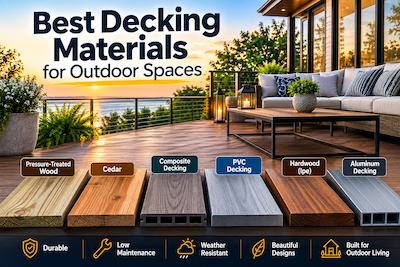
A deck is more than just an extension of your home. It becomes the place where weekend barbecues happen, where family gathers on warm evenings, and where you enjoy your morning coffee before the day gets busy. Because a deck is exposed to sun, rain, snow, and constant foot traffic, choosing the right decking material is one of the most important decisions you’ll make during the project.
Years ago, pressure-treated wood was the obvious choice. Today, homeowners have many more options, including composite decking, PVC boards, hardwoods, aluminum, and modified wood. Each material has its own strengths, maintenance requirements, appearance, and price range.
The best decking material isn’t necessarily the most expensive one. It’s the one that matches your climate, budget, maintenance expectations, and the look you want to achieve.
In this guide, we’ll compare today’s most popular decking materials, discuss what homeowners are saying after living with them, explain the advantages and disadvantages of each option, and help you decide which material fits your outdoor space best.
See more post related to exterior and interior design HERE.
Why Choosing the Right Decking Material Matters
Your deck faces weather every day of the year.
Poor-quality materials can eventually develop problems such as:
- Warping
- Rot
- Splintering
- Mold growth
- Color fading
- Loose boards
- Structural deterioration
A quality decking material reduces maintenance, improves safety, and often lasts decades with proper care.
While appearance is important, durability and long-term ownership costs should also be part of the decision.
Types of Decking Materials
Pressure-Treated Wood
Pressure-treated lumber remains one of the most affordable decking options.
The wood is infused with preservatives that help resist insects and decay.
Best for:
- Budget-conscious homeowners
- Large decks
- DIY projects
Advantages
- Lowest initial cost
- Widely available
- Easy to cut and install
Disadvantages
- Requires staining or sealing
- Can warp or crack
- Needs regular maintenance
Cedar and Redwood
Natural softwoods provide a warm, attractive appearance without chemical treatment.
Advantages
- Beautiful grain
- Naturally insect resistant
- Cooler under direct sunlight
Disadvantages
- Requires regular sealing
- Softer than hardwood
- Can scratch more easily
Composite Decking
Composite decking has become one of the fastest-growing choices for residential decks.
It combines recycled wood fibers with plastic polymers to create boards that resist moisture and require very little maintenance.
Popular manufacturers include:
- Trex
- TimberTech
- Fiberon
- Deckorators
- MoistureShield
Many premium composite boards now feature realistic wood grain textures that closely resemble natural hardwood while requiring far less upkeep. (This Old House)
Advantages
- Low maintenance
- Doesn’t require staining
- Resists insects
- Long lifespan
- Many color options
Disadvantages
- Higher upfront cost
- Can become warm in direct sunlight
- More expansion than natural wood
PVC Decking
PVC boards contain no wood fibers.
Instead, they are manufactured entirely from synthetic materials.
Advantages
- Excellent moisture resistance
- Lightweight
- Highly resistant to mold
- Ideal around pools
Disadvantages
- Higher price
- Less natural appearance
- Can expand more with temperature changes
Hardwood Decking
Species such as:
- Ipe
- Cumaru
- Tigerwood
- Garapa
offer exceptional durability.
Advantages
- Extremely long lifespan
- Beautiful appearance
- Outstanding wear resistance
Disadvantages
- Premium price
- Difficult installation
- Requires specialized tools
- Very heavy
Aluminum Decking
Although less common for residential projects, aluminum decking offers unmatched durability.
Advantages
- Will not rot
- Fire resistant
- Insect proof
- Extremely durable
Disadvantages
- Industrial appearance
- Highest cost
- Limited design choices
Best Decking Materials Compared
1. Composite Decking
Best Overall
Composite decking continues to dominate the residential market because it balances appearance, durability, and ease of ownership.
Homeowners appreciate not having to sand, stain, or repaint every few years.
Pros
- Minimal maintenance
- Excellent longevity
- Fade-resistant options
- Realistic wood appearance
Cons
- Higher initial investment
- Some products become hot in full sun
Deck Hardscape |
|---|
 |
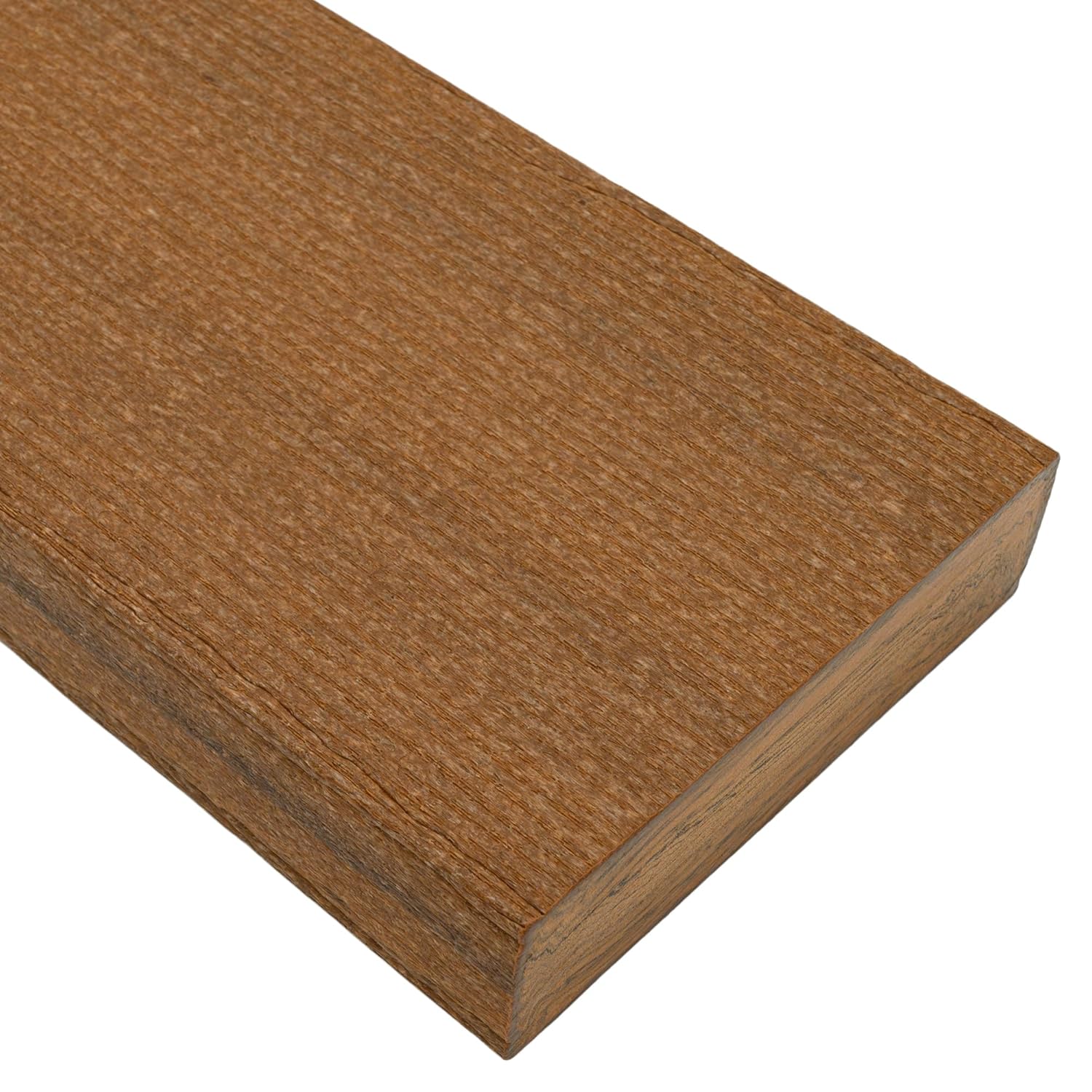
2. Pressure-Treated Lumber
Best Budget Option
Despite newer materials entering the market, pressure-treated wood remains one of the most economical solutions for building a deck.
It’s especially attractive for homeowners who don’t mind performing periodic maintenance.
Pros
- Affordable
- Easy to find
- DIY friendly
Cons
- Needs regular sealing
- Can crack over time
Deck Hardscape |
|---|
 |
3. PVC Decking
Best for Wet Areas
If your deck surrounds a pool, spa, or waterfront property, PVC performs exceptionally well because it absorbs very little moisture.
Pros
- Waterproof
- Easy cleaning
- Mold resistant
Cons
- Higher price
- Less authentic wood texture
Deck Hardscape |
|---|
 |
4. Hardwood Decking
Best Premium Choice
Exotic hardwoods remain one of the longest-lasting decking materials available.
Properly maintained, many hardwood decks last several decades.
Pros
- Incredible durability
- Premium appearance
- Excellent wear resistance
Cons
- Expensive
- Heavy
- More challenging installation
Deck Hardscape |
|---|
 |
5. Cedar
Best Natural Appearance
For homeowners who love real wood but prefer a softer, more traditional look, cedar remains a classic choice.
Pros
- Beautiful grain
- Naturally resistant to decay
- Comfortable underfoot
Cons
- Requires maintenance
- Softer surface
Deck Hardscape |
|---|
 |
Pros and Cons
| Pros | Cons |
|---|---|
| Adds value to outdoor living spaces | Higher-quality materials cost more |
| Wide range of materials and styles | Some decking gets hot in direct sun |
| Long-lasting when properly maintained | Wood requires ongoing maintenance |
| Composite options need little upkeep | Installation costs can be significant |
| Many products resist insects and moisture | Some materials expand with temperature changes |
| Improves curb appeal | Poor installation shortens deck life |
What Real Homeowners Are Saying
Looking through reviews from homeowners, contractors, and deck-building discussions reveals several common experiences.
Composite Decking Feedback
Most owners appreciate:
- No annual staining
- Easy cleaning
- Attractive appearance
- Consistent board quality
- Long-term durability
One recurring comment is that premium composite decking feels like a worthwhile investment because maintenance costs remain much lower than traditional wood over many years. (Trex Reviews)
However, homeowners in hot climates occasionally mention that darker composite boards become noticeably warmer under direct sunlight.
Pressure-Treated Wood Feedback
Many homeowners still prefer treated lumber because of its lower purchase price.
Positive comments include:
- Easy repairs
- Readily available materials
- Affordable replacement boards
The biggest complaints involve:
- Splinters
- Annual staining
- Warping
- Surface cracking
Hardwood Reviews
Owners of Ipe and Cumaru decks consistently praise their appearance years after installation.
The downside mentioned most often is installation difficulty and the higher cost of both materials and labor.
Contractor Opinions
Professional deck builders often recommend matching the material to the homeowner’s maintenance expectations rather than simply choosing the cheapest product.
Contractors frequently note that many customers who initially install pressure-treated wood later wish they had invested in composite decking after several years of sanding and staining. (Decks.com)
Buying Guide
1. Consider Your Climate
If you live in a rainy or humid region, moisture resistance becomes especially important.
Composite, PVC, and hardwood generally outperform untreated softwoods in wet environments.
2. Think About Maintenance
Ask yourself honestly:
Do you enjoy refinishing wood every few years?
If not, composite or PVC may be worth the additional upfront investment.
3. Budget Beyond Initial Cost
A cheaper deck today may require:
- Stain
- Sealers
- Sanding
- Replacement boards
over the next decade.
Sometimes spending more initially lowers total ownership costs.
4. Appearance
Choose a material that complements your home’s architecture.
Modern homes often pair well with composite or PVC, while traditional homes frequently look great with cedar or hardwood.
5. Slip Resistance
If children, pets, or a pool are involved, choose decking with textured surfaces that maintain traction when wet.
Independent testing by the North American Deck and Railing Association emphasizes that surface texture and maintenance play an important role in reducing slip hazards. (https://www.nadra.org)
How to Maintain Your Deck
Proper maintenance extends the life of any decking material.
Pressure-Treated Wood
- Clean annually
- Apply stain or sealer every few years
- Inspect for loose fasteners
Composite Decking
- Wash with mild soap
- Remove leaves regularly
- Clean spills promptly
Hardwood
- Clean annually
- Apply hardwood oil if desired
- Inspect fasteners
PVC
- Wash with water
- Remove debris
- Avoid abrasive cleaners
Common Mistakes to Avoid
- Choosing based only on price
- Ignoring maintenance requirements
- Installing without proper ventilation
- Using incorrect fasteners
- Skipping structural inspections
- Selecting dark colors for extremely hot climates without considering heat buildup
Frequently Asked Questions
Which decking material lasts the longest?
Premium hardwoods, aluminum, and high-quality composite decking can last several decades when properly installed and maintained. (This Old House)
Is composite decking worth the extra cost?
For many homeowners, yes. Although the initial investment is higher, the reduced maintenance often lowers long-term ownership costs.
Does composite decking get hot?
Yes. Like many outdoor materials, darker composite boards can become warm in direct sunlight. Lighter colors generally stay cooler.
What is the easiest decking material to maintain?
PVC and composite decking require the least maintenance because they don’t need staining or sealing.
Final Thoughts
The best decking material ultimately depends on how you plan to use your outdoor space. If keeping maintenance to a minimum is your top priority, composite decking remains one of the strongest all-around choices thanks to its durability, attractive appearance, and long service life. Homeowners on a tighter budget may find pressure-treated lumber offers excellent value, provided they are willing to perform routine upkeep. For luxury projects where natural beauty is the main focus, hardwoods such as Ipe and Cumaru continue to stand out.
Whatever material you choose, don’t base your decision on price alone. Consider your local climate, the amount of maintenance you’re comfortable with, and how long you expect the deck to last. A well-built deck using the right material can provide decades of enjoyment while adding both function and value to your home.
Disclaimer
This content is based on information from various sources and represents recommendations according to available data. Quality and correctness of products are the responsibility of manufacturers and sellers.
Leave a Reply