
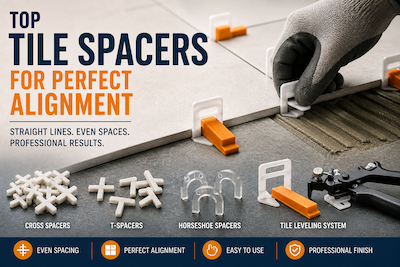
Many DIY tile jobs look uneven not because the tiles are poor quality, but because the grout lines slowly drift as the installation progresses. Even experienced installers rely on tile spacers and leveling systems to keep joints consistent and reduce lippage. They save time, improve accuracy, and make the finished project look much more professional.
The good news is that tile spacers are inexpensive, easy to use, and available in several designs for different types of tile installations. The challenge is knowing which style works best for your project.
In this guide, we’ll compare some of the best tile spacers available on Amazon, explain the differences between traditional spacers and leveling systems, share what real users are saying, and help you choose the right option for your next tiling project.
if you like to know more about tools in flooring industry visit more posts HERE.
Why Tile Spacers Matter
Tile spacers do much more than simply separate tiles.
They help:
- Maintain consistent grout joints
- Keep tile rows straight
- Reduce alignment mistakes
- Speed up installation
- Improve the finished appearance
- Minimize adjustments during grouting
For larger tiles, many installers also combine spacers with tile leveling clips to reduce lippage, which is when one tile edge sits higher than the next. This is especially important for modern large-format porcelain and stone tiles. (Siemens Mobile)
Types of Tile Spacers
Cross Spacers
The most common style.
Best for:
- Ceramic tile
- Porcelain tile
- Bathroom walls
- Kitchen backsplashes
Advantages
- Inexpensive
- Easy to remove
- Available in many sizes
T-Spacers
Designed for staggered layouts and subway tile installations.
Advantages
- Better corner alignment
- Useful for offset patterns
- Consistent spacing
Horseshoe Spacers
Popular with professional installers.
Ideal for:
- Natural stone
- Marble
- Granite
- Large-format tile
These rigid spacers resist compression and can also help with slight height adjustments. (Journeyman HQ)
Tile Leveling Systems
Instead of simple spacers, these use disposable clips with reusable wedges or caps.
Benefits include:
- Perfect tile alignment
- Reduced lippage
- Straighter grout lines
- Better results with large-format tiles
They cost more than basic spacers but often produce a noticeably flatter installation. (Siemens Mobile)
Top Tile Spacers for Perfect Alignment
1. QEP Cross Tile Spacers
Best Overall
QEP has been one of the most recognized names in tile installation tools for years, and their cross spacers remain a favorite among both DIYers and professionals.
Available sizes include:
- 1/16 inch
- 1/8 inch
- 3/16 inch
- 1/4 inch
Pros
- Consistent sizing
- Affordable
- Easy removal
- Good durability
Cons
- Can occasionally shift if bumped
- Not ideal for leveling large tiles
Spacer |
|---|
 |
2. Raimondi Tile Leveling System
Best Professional Choice
Raimondi’s clip-and-wedge system is widely respected among professional tile setters.
Instead of simply spacing tiles, it keeps neighboring tiles flush while the thinset cures.
Pros
- Excellent lippage control
- Durable reusable wedges
- Professional finish
Cons
- Higher cost
- Slight learning curve
Professional installers frequently recommend systems like Raimondi when working with large porcelain or natural stone because they produce a flatter surface than traditional spacers alone. (Journeyman HQ)
Spacer |
|---|
 |
3. DGSL Tile Leveling System Kit
Best Value Kit
For homeowners tackling a bathroom or kitchen renovation, DGSL offers a complete starter kit with clips, wedges, and installation pliers.
It works well for:
- Floor tile
- Wall tile
- Ceramic
- Porcelain
- Stone
Pros
- Complete kit
- Excellent value
- Easy for beginners
Cons
- Clips are disposable
- Extra clips needed for larger projects
Spacer |
|---|
 |
4. Brutus Horseshoe Tile Spacers
Best for Stone and Large Tile
These reusable horseshoe spacers are designed to maintain precise grout joints while supporting heavier materials.
Pros
- Reusable
- Strong plastic
- Great for vertical installations
Cons
- Limited size options
- More expensive than disposable spacers
Spacer |
|---|
 |
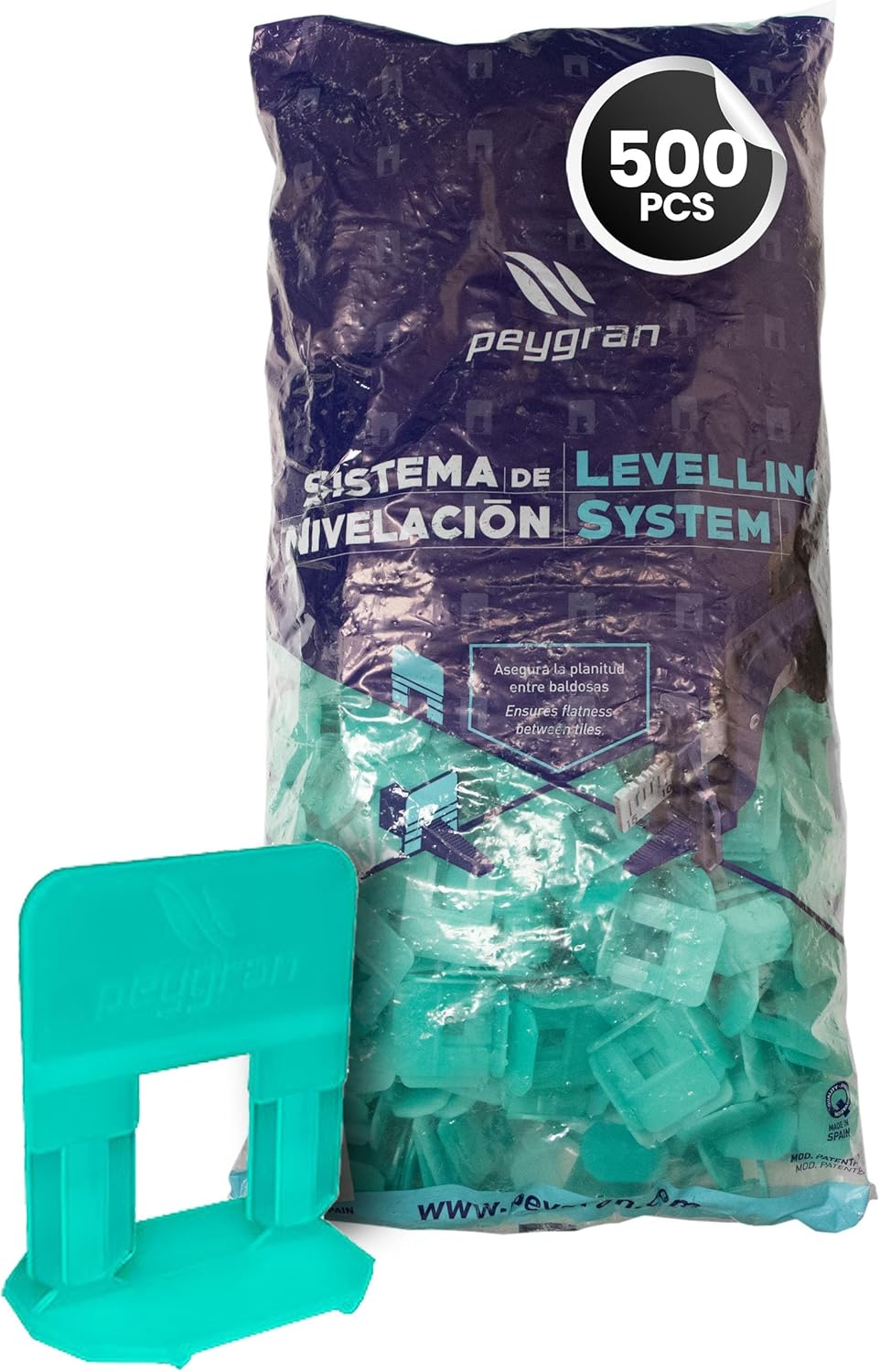
5. Peygran Tile Leveling System
Best for Large Format Tile
As tile sizes continue to grow, leveling systems become increasingly valuable.
Peygran combines spacing and leveling into one process, reducing installation time while producing a flatter floor.
Pros
- Professional results
- Reduces lippage
- Easy wedge removal
Cons
- More pieces to manage
- Higher upfront cost
Spacer |
|---|
 |
Pros and Cons
| Pros | Cons |
|---|---|
| Creates even grout joints | Some systems have disposable clips |
| Makes installation easier | Leveling systems cost more |
| Helps prevent crooked tile lines | Requires correct spacer size |
| Improves overall appearance | Cheap spacers may break during removal |
| Speeds up tile installation | Beginners still need careful layout |
| Works for walls and floors | Wrong size can affect grout appearance |
What Real Users Are Saying
Reading reviews from homeowners and professional tile installers reveals some consistent trends.
Positive Feedback
Most users appreciate:
- Consistent grout spacing
- Faster installations
- Easier tile alignment
- Better-looking finished projects
- Less frustration compared to freehand spacing
Leveling systems receive particularly high praise for large-format porcelain tile because they significantly reduce uneven tile edges. (SpruceRank)
Common Complaints
The most common issues include:
- Buying the wrong spacer size
- Clips breaking during removal
- Cheap plastic bending under pressure
- Trying to reuse disposable clips
Several experienced installers also point out that no spacer can compensate for an uneven subfloor. Proper surface preparation remains essential for a successful tile installation. (Reddit)
Interestingly, professional tile setters also note that handcrafted products such as Zellige or rustic tiles often require flexibility rather than perfectly uniform spacer placement because the tiles themselves vary in size. (Reddit)
Buying Guide
1. Choose the Correct Spacer Size
Common grout joint sizes include:
- 1/16 inch
- 1/8 inch
- 3/16 inch
- 1/4 inch
Always follow the tile manufacturer’s recommendation.
2. Match the Tile Type
Small ceramic backsplash tiles typically need simple cross spacers, while large-format porcelain often benefits from a leveling system.
3. Consider Tile Size
The larger the tile, the greater the chance of lippage.
For tiles larger than 12 × 24 inches, many professionals recommend combining spacers with leveling clips. (Siemens Mobile)
4. Disposable vs Reusable
Disposable clips:
- Lower initial cost
- Single use
Reusable wedges:
- Better long-term value
- Less waste
5. Project Size
For a small backsplash, a bag of standard spacers is usually enough.
For an entire floor, purchasing a complete leveling kit often makes more sense.
How to Use Tile Spacers Correctly
Step 1
Prepare a clean, flat substrate.
Any unevenness underneath the tile will affect the finished surface.
Step 2
Spread thinset evenly using the correct notched trowel.
Step 3
Lay the tile.
Step 4
Insert spacers at every corner or according to the manufacturer’s instructions.
Step 5
Continue checking alignment with a straightedge or laser level.
Step 6
If using a leveling system, insert the clips beneath the tile edge, then tighten the wedges according to the system’s instructions.
Step 7
Allow the adhesive to cure before removing spacers or breaking off leveling clips.
Common Mistakes to Avoid
- Using different spacer sizes in one project
- Forgetting to check tile alignment regularly
- Leaving spacers embedded in grout joints
- Choosing grout joints that are too narrow for the tile
- Installing on an uneven floor
- Tightening leveling wedges too aggressively
Frequently Asked Questions
What size tile spacer should I use?
The most common sizes are 1/16 inch for rectified porcelain tiles and 1/8 inch for standard ceramic installations. Always follow the tile manufacturer’s recommendations.
Do professionals use tile spacers?
Yes. Even experienced tile setters rely on spacers and leveling systems to maintain consistent grout joints and improve installation accuracy. (Journeyman HQ)
Are leveling systems better than regular spacers?
For large-format tiles, leveling systems generally provide better results because they help keep adjacent tiles flush while maintaining grout spacing. (Siemens Mobile)
Can tile spacers be reused?
Basic plastic cross spacers and horseshoe spacers can often be reused if removed carefully. Most leveling clips, however, are designed for single use, while the wedges are reusable.
Final Thoughts
Tile spacers may be one of the least expensive tools in your installation kit, but they have a major impact on the final result. Whether you’re laying a simple subway tile backsplash or installing large-format porcelain flooring, using the right spacers can save time, reduce mistakes, and produce clean, professional-looking grout lines.
For small DIY projects, traditional cross spacers from a trusted brand like QEP are usually all you need. If you’re tackling a larger floor or working with oversized tiles, investing in a quality leveling system from brands such as Raimondi, Peygran, or DGSL is well worth the extra cost.
Choosing the right spacer for your tile size and layout, along with proper surface preparation, will go a long way toward achieving a durable installation that looks great for years.
Disclaimer
This content is based on information from various sources and represents recommendations according to available data. Quality and correctness of products are the responsibility of manufacturers and sellers.
Spacer |
|---|
 |
Leave a Reply