
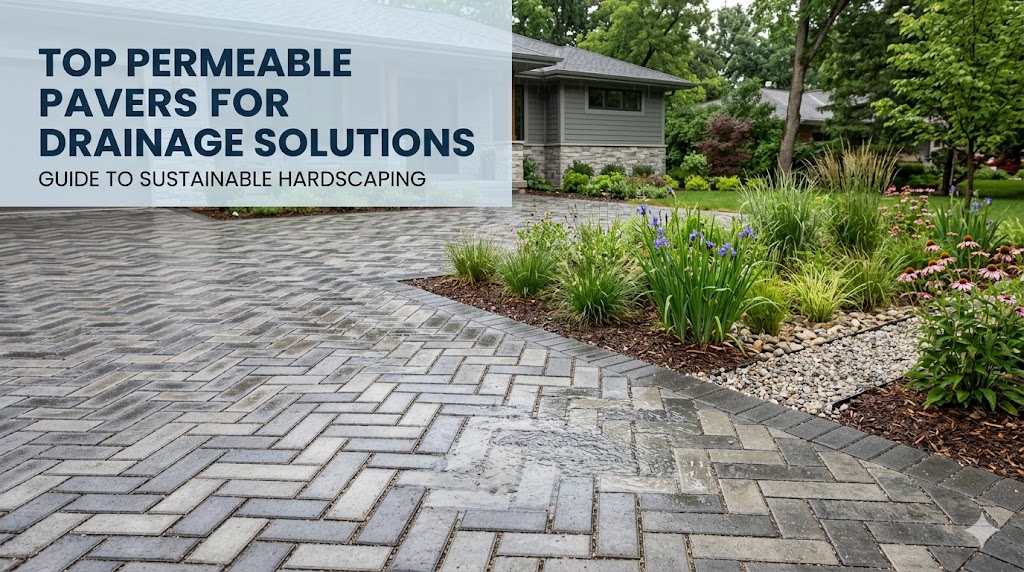
Drainage problems usually start small.
A little pooling water after rain. Mud collecting near the driveway. Puddles around patios that take forever to dry. Most homeowners ignore it at first, but over time, poor drainage can damage landscaping, weaken foundations, and create slippery outdoor surfaces.
That’s exactly why permeable pavers have become so popular in modern hardscape design.
Unlike traditional concrete surfaces that force water to run off, permeable pavers allow rainwater to move through the surface and back into the ground naturally. It’s a smarter system, especially for driveways, patios, walkways, and outdoor living spaces where drainage matters.
But not all permeable pavers perform the same way. Some prioritize appearance, others focus on heavy-duty drainage, and a few simply don’t hold up long term.
In this guide, I’ll walk you through the best permeable pavers for drainage solutions, what real users say about them, and what to consider before installing them in your own outdoor space.
To cehck more post related to the flooring visit this page Here.
What Are Permeable Pavers?
Permeable pavers are specially designed paving systems that allow water to pass through gaps or porous materials instead of running off the surface.
They usually work through:
- Wider joint spacing with gravel filling
- Porous concrete materials
- Grid systems that support grass or gravel
The goal is simple:
Reduce runoff and improve natural drainage.
They’re commonly used for:
- Driveways
- Patios
- Walkways
- Pool surroundings
- Garden paths
- Commercial parking areas
Why Homeowners Are Switching to Permeable Pavers
Traditional concrete traps water on the surface. That creates runoff and often pushes water toward places you don’t want it.
Permeable systems help:
- Reduce standing water
- Improve drainage naturally
- Minimize erosion
- Reduce puddles and slippery areas
- Lower stormwater runoff
Many homeowners also like the more natural appearance compared to plain concrete slabs.
Best Permeable Pavers for Drainage Solutions
1. TRUEGRID Permeable Pavers
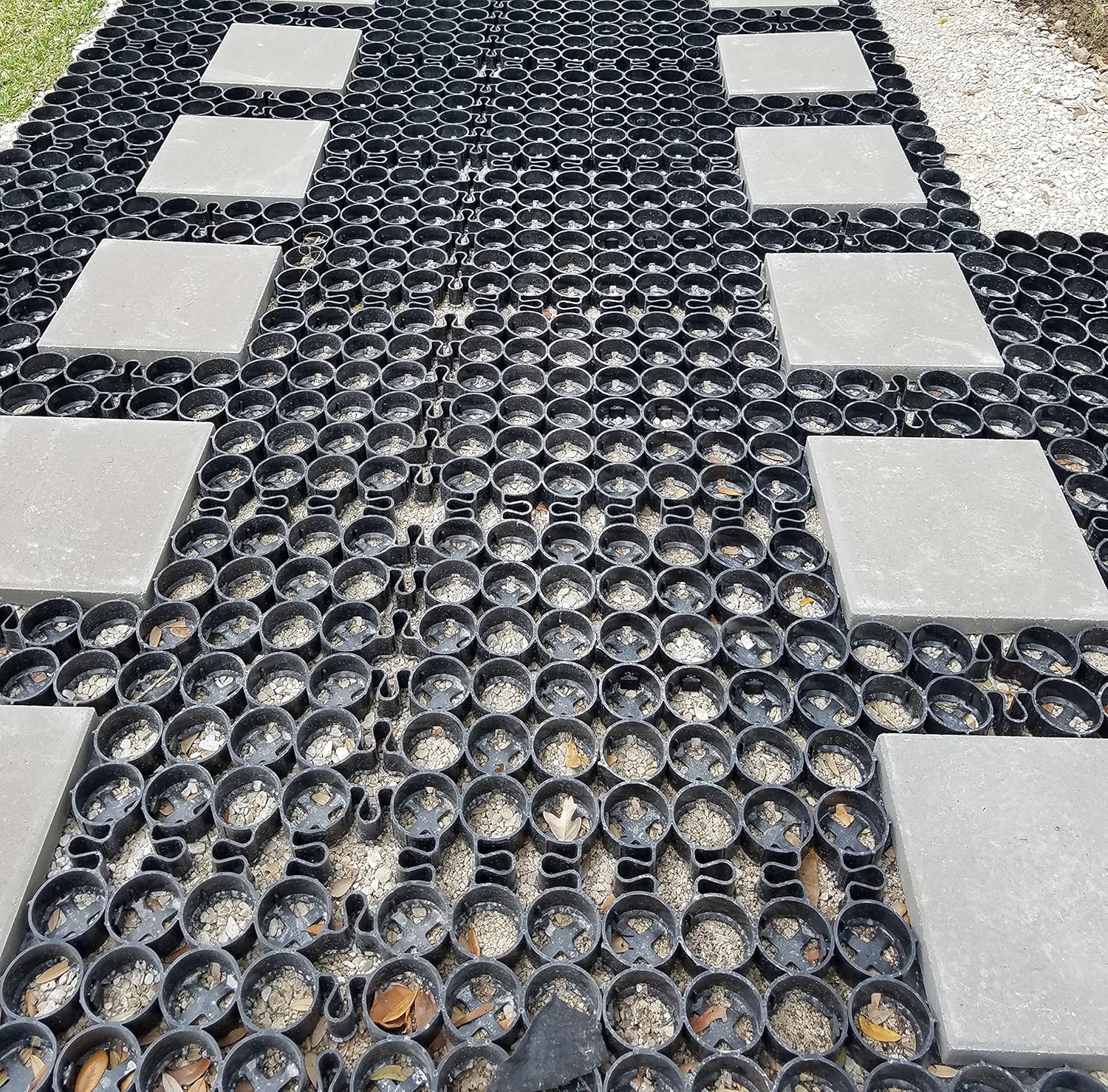
TRUEGRID systems are among the most recognized permeable grid systems on the market.
These interlocking grids are typically filled with gravel or grass and are designed for serious drainage performance.
Pros and Cons
| Pros | Cons |
|---|---|
| Excellent water drainage | Industrial appearance may not suit all homes |
| Strong enough for driveways | Gravel maintenance required |
| Easy modular installation | Higher upfront cost |
| Reduces erosion effectively |
Real User Feedback
Many homeowners with flooding or runoff issues report noticeable improvements after installation. Users often mention how stable the system feels even under vehicle weight. Some people dislike the more functional appearance compared to decorative stone pavers.
Paver to Buy |
|---|
 |
2. Belgard Permeable Pavers
Belgard is popular because it combines drainage functionality with a more premium decorative appearance.
These are commonly used in upscale patios and residential driveways.
Pros and Cons
| Pros | Cons |
|---|---|
| Attractive modern designs | Professional installation recommended |
| Strong structural durability | More expensive than basic systems |
| Good drainage capability | Requires proper base preparation |
| Wide color and style selection |
Real User Feedback
Homeowners consistently mention curb appeal as a major advantage. Many say these pavers look far better than standard permeable systems while still handling water effectively. Installation quality seems to make the biggest difference in long-term satisfaction.
Paver to Buy |
|---|
 |
3. Turfstone Permeable Pavers
Turfstone systems are concrete grid-style pavers that allow grass growth between openings.
They’re commonly used in eco-friendly landscapes.
Pros and Cons
| Pros | Cons |
|---|---|
| Natural green appearance | Grass maintenance required |
| Excellent drainage performance | Not ideal for modern minimalist styles |
| Helps reduce heat buildup | Can become uneven if base shifts |
| Eco-friendly design |
Real User Feedback
Users who prefer natural landscaping often love the softer look compared to fully paved surfaces. However, maintaining healthy grass inside the grids can become challenging in high-traffic areas.
4. Techo-Bloc Permeable Pavers
Techo-Bloc focuses heavily on aesthetics while still offering effective permeable systems.
Their products are often chosen for luxury backyard projects.
Pros and Cons
| Pros | Cons |
|---|---|
| High-end visual appeal | Premium pricing |
| Durable in freeze-thaw climates | Installation can be labor intensive |
| Multiple texture options | |
| Good water management |
Real User Feedback
A common theme in reviews is how “finished” and upscale these systems look. Many users feel the appearance justifies the higher cost. Contractors often praise their durability in colder climates.
5. Gravel-Lok Permeable Systems
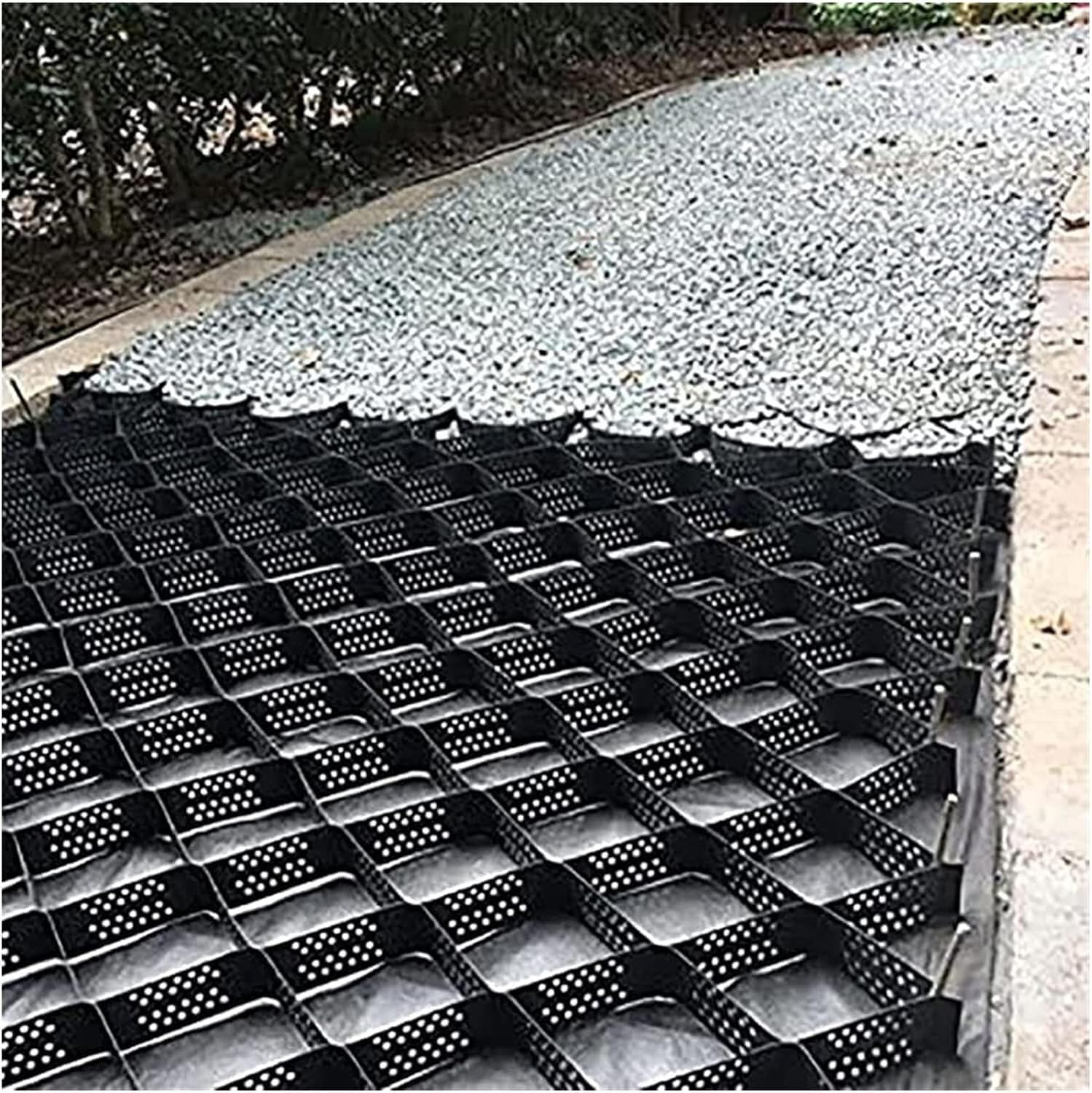
This solution combines decorative gravel with binding systems that improve stability while maintaining drainage.
Pros and Cons
| Pros | Cons |
|---|---|
| More affordable than full paver systems | Not ideal for heavy vehicle traffic |
| Flexible design options | Requires occasional maintenance |
| Excellent permeability | |
| Easier DIY installation |
Real User Feedback
DIY homeowners appreciate the simpler installation process. Many mention using it for pathways and patios where traditional pavers felt too expensive or complicated.
How Permeable Pavers Actually Handle Drainage
This is where many people misunderstand the system.
Permeable pavers alone don’t solve drainage issues automatically. The real performance comes from the entire installation structure underneath.
A proper setup usually includes:
- Permeable surface layer
- Gravel bedding layer
- Crushed stone reservoir base
- Soil capable of infiltration
The stone base temporarily stores water before it slowly absorbs into the ground.
That’s why proper installation matters so much.
How to Install Permeable Pavers Correctly
Even high-quality pavers can fail if the base is poorly prepared.
Basic Installation Process
1. Excavation
Remove enough soil to allow for the full base depth.
2. Install Geotextile Fabric
This helps separate soil from the aggregate layers.
3. Build the Stone Base
Use clean, angular crushed stone for water storage and stability.
4. Add Bedding Layer
A smaller aggregate layer helps level the pavers.
5. Lay the Pavers
Follow the manufacturer’s spacing guidelines carefully.
6. Fill Joints or Grids
Depending on the system, use:
- Gravel
- Aggregate
- Grass
7. Compact the Surface
Proper compaction prevents shifting later.
Common Mistakes People Make
Using Standard Sand
Regular polymeric sand can block drainage capability.
Poor Base Depth
Too shallow of a base reduces water storage.
Ignoring Soil Conditions
Some clay-heavy soils drain slowly and may need additional planning.
Choosing Style Over Function
Some decorative systems prioritize appearance more than actual permeability.
Buying Guide: What to Look For
Choosing the best permeable paver depends on your project goals.
1. Traffic Load
For driveways:
- Choose reinforced systems or thick concrete pavers
For patios:
- Decorative systems may work fine
2. Drainage Needs
If your property already has major runoff issues, prioritize performance over appearance.
3. Climate Conditions
Freeze-thaw regions require durable materials and proper base preparation.
4. Maintenance Expectations
Some systems need:
- Joint refilling
- Weed management
- Occasional cleaning
Others are more low maintenance.
5. Appearance
Modern homes often pair well with:
- Smooth permeable pavers
- Large-format designs
Natural landscapes work better with:
- Gravel grids
- Turfstone systems
What Real Users Often Overlook
After analyzing reviews and homeowner discussions, several recurring themes appear.
Many people:
- Underestimate installation importance
- Expect zero maintenance
- Ignore long-term drainage planning
- Choose cheap base materials
Interestingly, most negative experiences are linked to installation shortcuts rather than the pavers themselves.
That’s especially true for driveways where weight and drainage stress are much higher.
Are Permeable Pavers Worth It?
For many homeowners, yes.
They’re not always the cheapest option upfront, but they can help reduce:
- Drainage problems
- Erosion
- Water pooling
- Long-term maintenance issues
They also tend to create a more premium-looking outdoor space compared to plain concrete.
If your yard struggles with water management, permeable systems are often one of the smartest hardscape upgrades you can make.
Final Thoughts
The best permeable paver isn’t always the fanciest or most expensive one. It’s the one that fits your property, drainage conditions, and maintenance expectations.
If maximum drainage is your priority, systems like TRUEGRID perform extremely well. If appearance matters just as much as functionality, Belgard and Techo-Bloc are excellent options.
The key is understanding that the paver itself is only part of the system. Proper installation and base preparation matter just as much as the material on top.
Get those parts right, and permeable pavers can completely change how your outdoor space handles water for years to come.
Disclaimer
This content is based on information from various sources and represents recommendations according to available data. Quality and correctness of products are the responsibility of manufacturers and sellers.
Leave a Reply