
A small backyard can either feel like a cozy retreat or a cramped afterthought. The difference usually comes down to one thing—how the ground is designed.
Flooring plays a bigger role than most people expect. The right choice can visually expand the space, improve usability, and reduce maintenance headaches. The wrong one can make the area feel tighter, uneven, or difficult to maintain.
If you’re working with limited square footage, every decision matters. In this guide, I’ll walk you through the best outdoor flooring options for small backyards, based on real-world use, homeowner feedback, and practical experience.
To see more post about interiors look at this page HERE.
What Makes Flooring Suitable for Small Backyards?
Before getting into materials, it helps to understand what actually works in smaller spaces.
In compact backyards, flooring should:
- Make the area feel larger visually
- Require minimal maintenance
- Be easy to install or modify
- Handle weather exposure
- Work well with furniture and foot traffic
Large, busy patterns or uneven materials can make a space feel cluttered. Clean lines and consistent textures tend to work better.
Best Outdoor Flooring Options for Small Backyards
1. Concrete Pavers
Concrete pavers are one of the most practical and versatile choices.
They come in different sizes, colors, and finishes, making them easy to match with almost any backyard design.
Pros and Cons
| Pros | Cons |
|---|---|
| Durable and long-lasting | Can shift if base is poor |
| Wide range of styles | Requires proper installation |
| Easy to replace individual pieces | Weeds can grow between joints |
| Works well in small layouts |
Real User Feedback
Many homeowners like pavers because they can create a clean, organized look. A common comment is how easy it is to repair small sections without redoing the entire floor. On the downside, some users mention maintenance issues with joint sand and weeds over time.
Flooring |
|---|
 |
2. Deck Tiles (Interlocking)
Deck tiles are a favorite for small spaces because they’re simple and fast to install.
They usually come in wood, composite, or plastic materials and can be placed directly over existing surfaces.
Pros and Cons
| Pros | Cons |
|---|---|
| Very easy DIY installation | Not as durable as permanent options |
| No heavy groundwork required | Can shift slightly over time |
| Good for renters or temporary setups | Limited load capacity |
| Visually clean and modern |
Real User Feedback
Users often describe deck tiles as a quick transformation solution. Many appreciate that they can upgrade their backyard in a day without tools. However, some note that cheaper versions may fade or warp after prolonged sun exposure.
Flooring |
|---|
 |
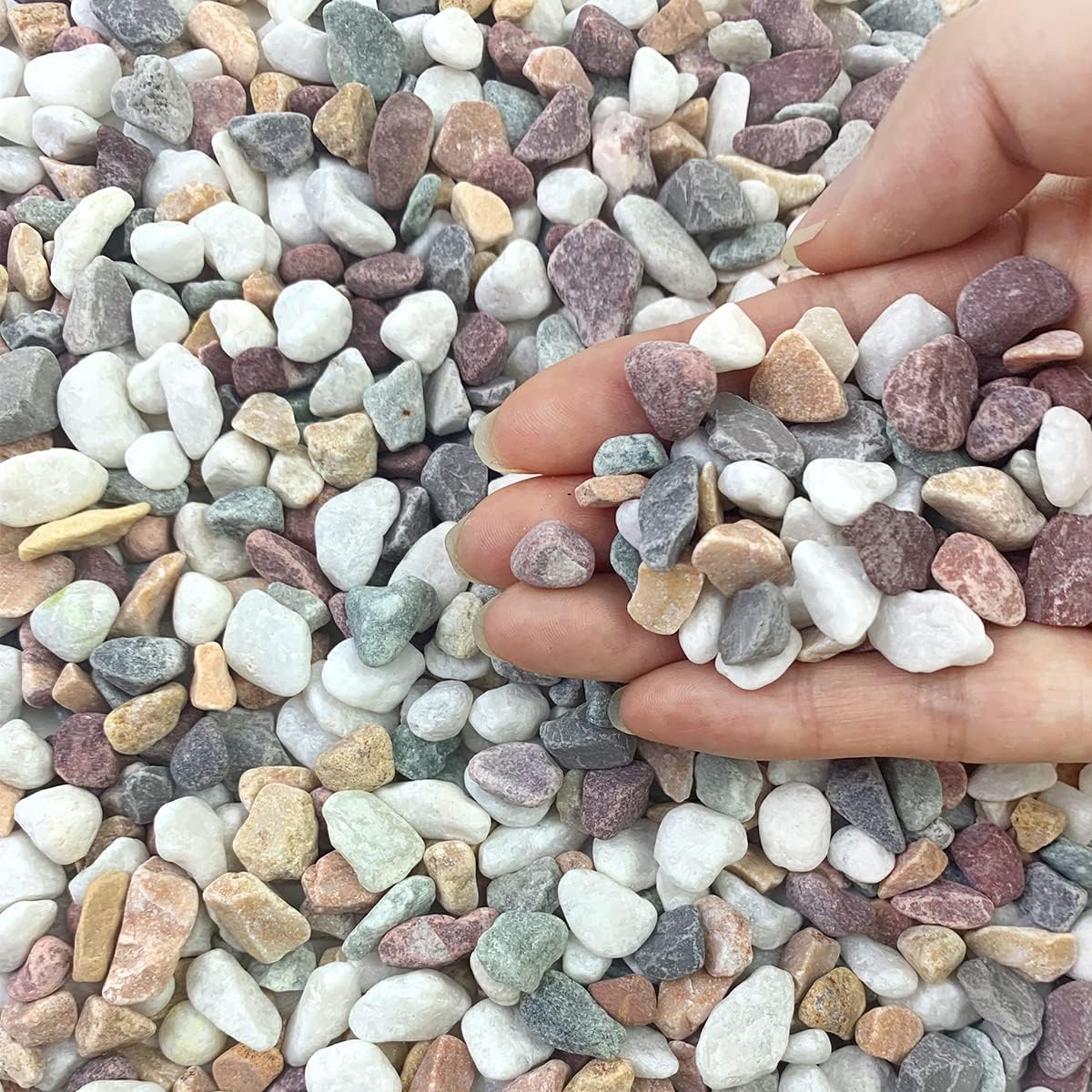
3. Gravel (Pea Gravel or Crushed Stone)
Gravel is one of the most budget-friendly options, and it works surprisingly well in small backyards.
Pros and Cons
| Pros | Cons |
|---|---|
| Affordable and easy to install | Can shift underfoot |
| Excellent drainage | Needs edging to stay contained |
| Natural, relaxed look | Not ideal for furniture stability |
| Low material cost |
Real User Feedback
Homeowners often like the simplicity and natural appearance. It’s commonly used for small seating areas or pathways. The biggest complaint is that furniture can wobble unless stabilized.
Flooring | Flooring |
|---|---|
 |  |
4. Outdoor Porcelain Tiles
Porcelain tiles have become increasingly popular for modern outdoor spaces.
They offer a clean, high-end look without the maintenance of natural stone.
Pros and Cons
| Pros | Cons |
|---|---|
| Sleek and modern appearance | Higher upfront cost |
| Resistant to stains and moisture | Requires solid base |
| Low maintenance | Can be slippery if not textured |
| Works well in small spaces visually |
Real User Feedback
Many users mention how porcelain tiles make a small backyard feel more polished and spacious. However, proper installation is critical. Poor base preparation can lead to cracking or uneven surfaces.
Flooring |
|---|
 |
5. Artificial Turf
For homeowners who want greenery without maintenance, artificial turf is a practical solution.
Pros and Cons
| Pros | Cons |
|---|---|
| Low maintenance | Can get hot in direct sun |
| Always looks green and clean | Initial cost can be high |
| Soft underfoot | Needs proper drainage base |
| Great for pets and kids |
Real User Feedback
Users love the low upkeep and consistent look. It’s especially popular in urban homes where real grass struggles. Some mention heat buildup during summer, which is something to consider in warmer climates.
Flooring |
|---|
 |
6. Stamped Concrete
Stamped concrete offers the look of stone or pavers without individual pieces.
Pros and Cons
| Pros | Cons |
|---|---|
| Seamless appearance | Hard to repair if damaged |
| Customizable patterns | Can crack over time |
| Low maintenance surface | Professional installation needed |
| Good for modern designs |
Real User Feedback
Homeowners appreciate the clean, continuous surface. It works well in small areas because there are no joints breaking up the space. However, cracks can be difficult to fix without visible patches.
Flooring |
|---|
 |
How to Choose the Right Flooring for Your Space
Choosing flooring for a small backyard isn’t just about looks. It’s about how the space will actually be used.
1. Think About Function First
Ask yourself:
- Will you place furniture on it?
- Is it a walkway or a seating area?
- Will kids or pets use the space?
For example:
- Gravel works for pathways
- Pavers or tiles are better for seating areas
2. Consider Visual Space
Lighter colors and uniform patterns can make a backyard feel bigger.
Large-format tiles or consistent layouts reduce visual clutter, which is important in smaller areas.
3. Drainage Matters More Than You Think
Poor drainage can ruin any flooring choice.
Make sure:
- Water flows away from the house
- Base layers are properly compacted
- Materials allow some permeability if needed
4. Maintenance Expectations
Be honest about how much maintenance you’re willing to do.
- Low maintenance: porcelain, artificial turf
- Medium: pavers
- Higher: gravel, wood tiles
Installation Tips That Make a Big Difference
Even the best material can fail if installed poorly.
Key Tips
- Always prepare a stable base (gravel + sand or concrete)
- Use edging for loose materials like gravel
- Ensure proper slope for drainage
- Avoid mixing too many materials in a small space
A common mistake is trying to fit too many design elements into a small backyard. Keeping it simple usually looks better and feels more open.
What Real Users Often Overlook
After reviewing feedback and discussions, a few patterns show up repeatedly:
- People underestimate how much base preparation affects longevity
- Many choose materials based only on looks, not function
- Cheap materials often lead to higher long-term costs
- Simpler designs tend to perform better in small spaces
Interestingly, homeowners who keep layouts minimal often report higher satisfaction with their backyard transformation.
Final
Small backyards don’t need complicated solutions. In fact, the simpler the flooring choice, the better the result usually is.
If you want durability and flexibility, pavers are hard to beat. If you want a quick upgrade, deck tiles are a great starting point. For a clean and modern look, porcelain tiles or stamped concrete can transform the space completely.
The key is choosing a material that fits your lifestyle, not just your design idea.
Get that balance right, and even a small backyard can feel like a well-designed outdoor living space.
Disclaimer
This content is based on information from various sources and represents recommendations according to available data. Quality and correctness of products are the responsibility of manufacturers and sellers.
Leave a Reply