
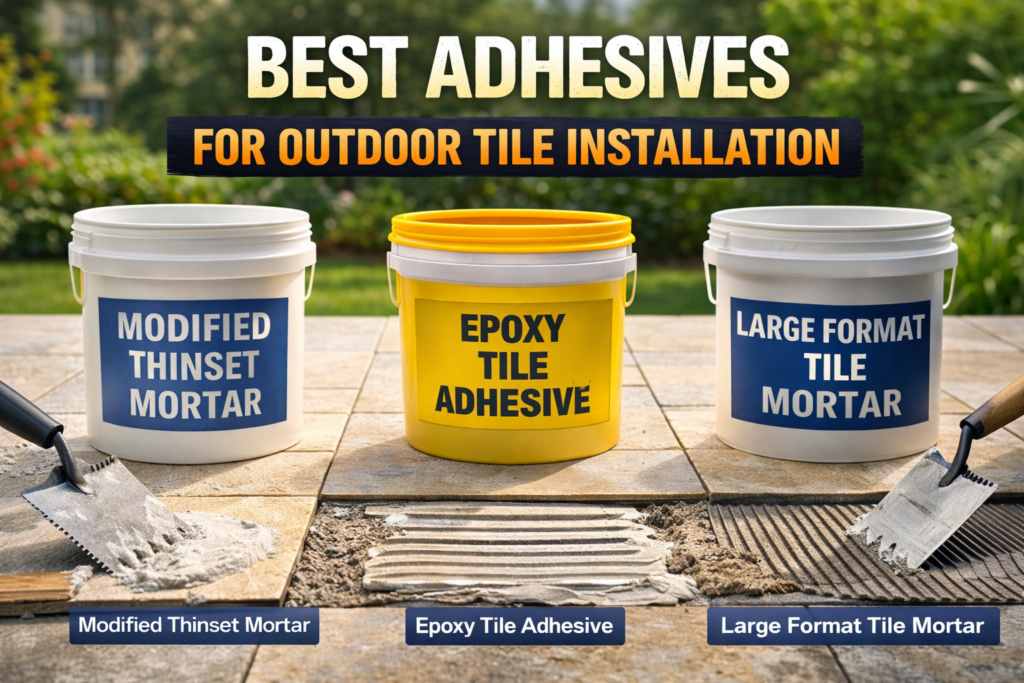
Outdoor tile projects look simple on the surface. You pick a nice tile, plan the layout, and start installing. But in reality, what holds everything together matters just as much as the tile itself. If the adhesive fails, the entire installation can crack, shift, or come loose within months.
This becomes even more critical in outdoor environments where heat, moisture, and temperature changes constantly stress the material. In places like South Florida, for example, you are dealing with high humidity, heavy rain, and intense sun all at once.
So choosing the right adhesive is not just a technical decision. It is what determines whether your project lasts for years or starts failing after the first season.
In this guide, I will walk you through the best adhesives for outdoor tile installation, what real users say about them, and how to choose the right one for your specific project.
If you want to see more about the chemicals used in flooring you check them on this page HERE.
What Makes an Adhesive Suitable for Outdoor Tile?
Before jumping into product types, it helps to understand what you actually need from an outdoor tile adhesive.
Key requirements:
- Water resistance: Outdoor surfaces are constantly exposed to moisture
- Flexibility: Materials expand and contract with temperature changes
- Strong bond strength: Especially for heavy tiles like porcelain or stone
- Freeze and heat resistance: Even in warmer climates, temperature swings matter
- Slip resistance during installation: Keeps tiles in place while setting
Indoor adhesives simply do not meet these requirements, which is why using the wrong one often leads to failure.
Best Types of Adhesives for Outdoor Tile Installation
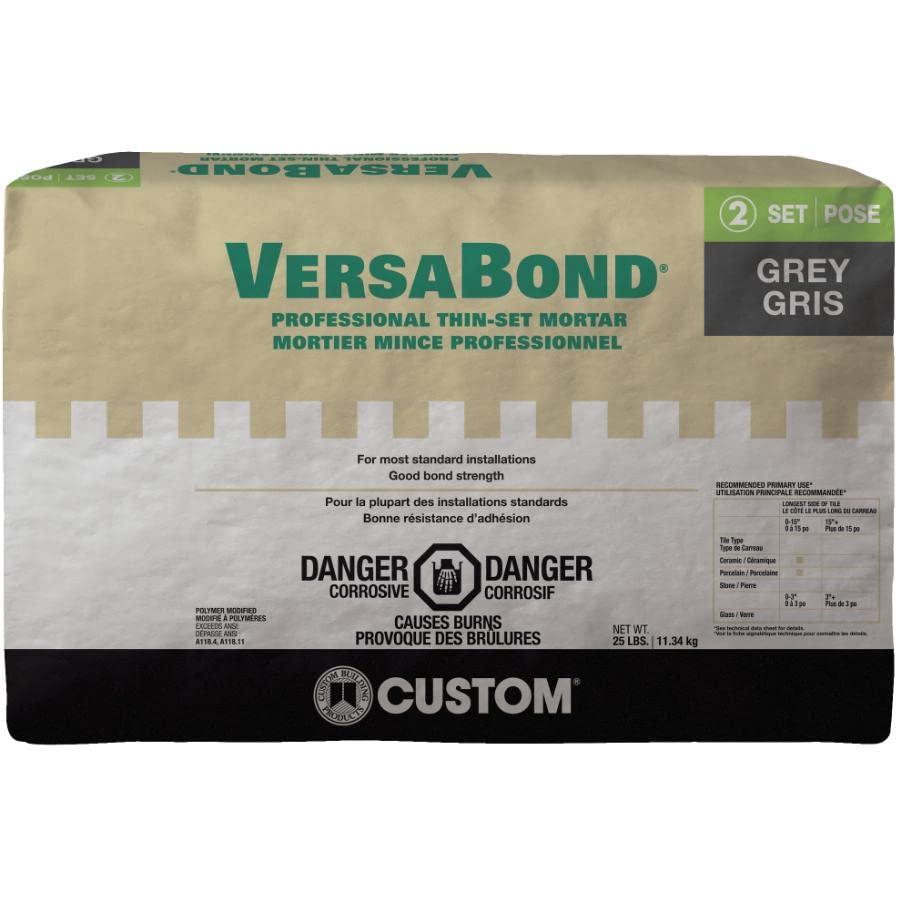
1. Modified Thinset Mortar
This is the most commonly recommended adhesive for outdoor tile projects.
It is a cement based mortar mixed with polymers that improve flexibility and bonding strength.
Pros and Cons
| Pros | Cons |
|---|---|
| Strong and durable bond | Requires proper mixing |
| Handles moisture and weather well | Takes time to cure |
| Works with porcelain and natural stone | |
| Flexible enough for outdoor use |
Real User Feedback
Most professionals prefer modified thinset because it consistently performs well outdoors. Users often mention that tiles remain solid even after years of exposure. Some beginners note that mixing can be tricky, but once you get the ratio right, it is very reliable.
Thin Mortar | Mortar |
|---|---|
 |  |
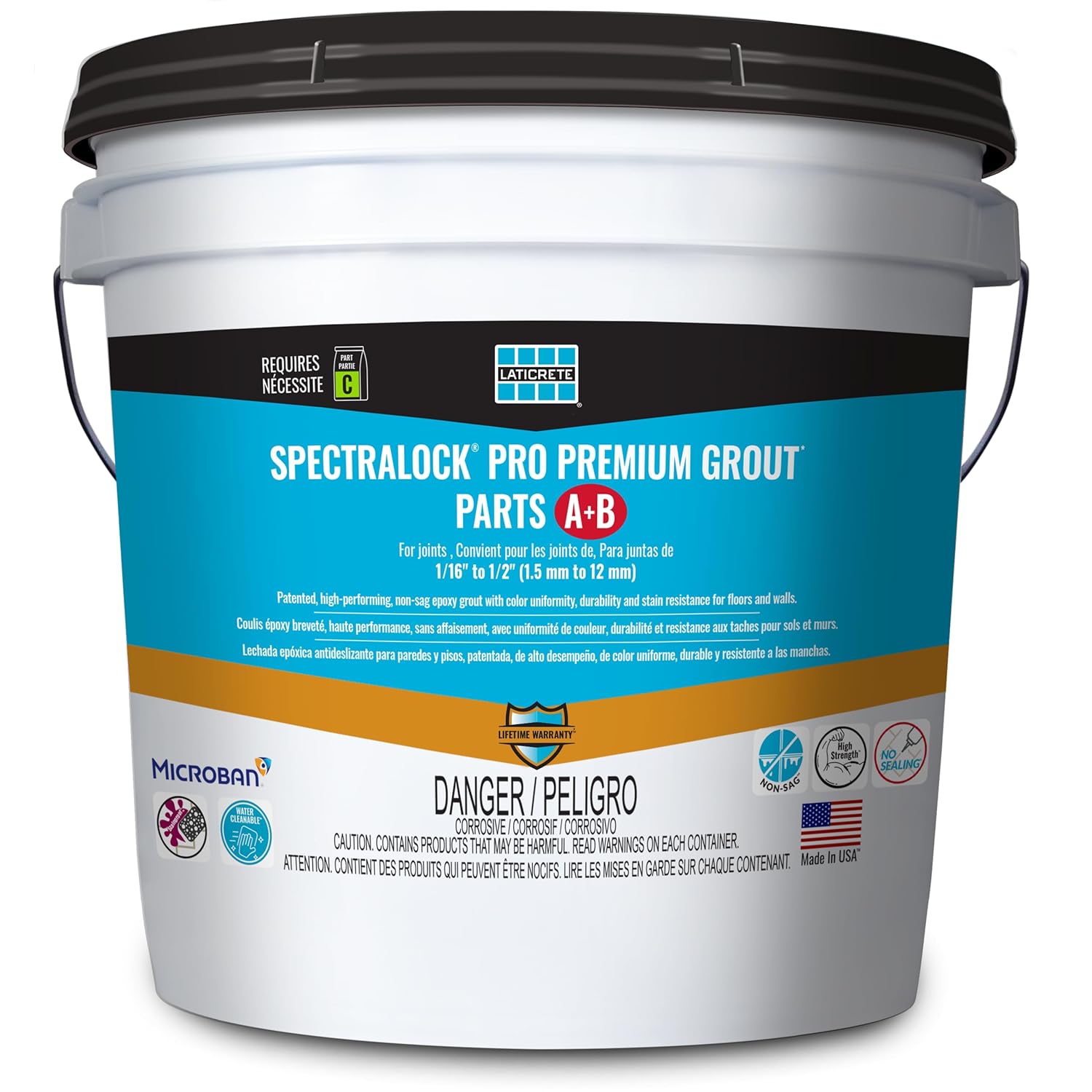
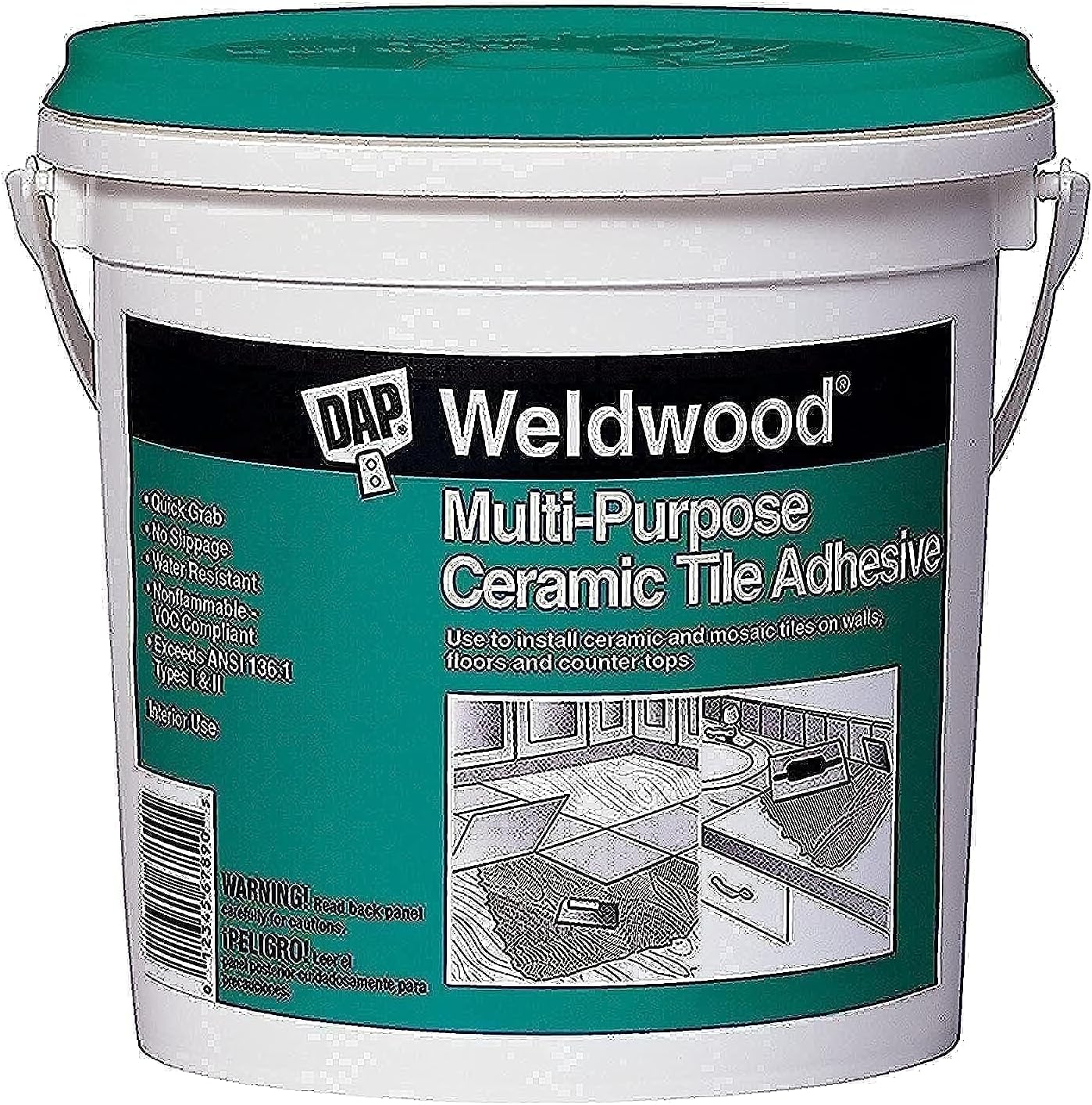
2. Epoxy Tile Adhesive
Epoxy adhesives are known for extreme strength and chemical resistance.
They are often used in demanding environments like commercial kitchens or outdoor areas exposed to heavy use.
Pros and Cons
| Pros | Cons |
|---|---|
| Extremely strong bond | Expensive compared to other options |
| Highly water resistant | Harder to work with |
| Resistant to chemicals and stains | Fast setting time can be challenging |
| Long lasting performance |
Real User Feedback
Users describe epoxy as almost permanent once installed. It is highly praised for pool decks and wet areas. However, many mention that it is not beginner friendly and mistakes can be difficult to fix.
Epoxy | Epoxy |
|---|---|
 |  |
3. Large Format Tile Mortar
If you are working with large tiles, standard thinset is not always enough.
Large format mortar is designed to support heavier tiles and prevent sagging.
Pros and Cons
| Pros | Cons |
|---|---|
| Prevents tile movement during installation | Slightly more expensive |
| Ideal for large porcelain tiles | Requires careful application |
| Strong bond strength | |
| Works well on uneven surfaces |
Real User Feedback
Installers often recommend this for modern outdoor patios using large tiles. Users say it helps keep tiles aligned and reduces lippage. The main feedback is that coverage needs to be consistent for best results.
Epoxy | Epoxy |
|---|---|
 |  |
4. Pre Mixed Tile Adhesive
These adhesives come ready to use and are often marketed for convenience.
However, they are usually not ideal for outdoor use.
Pros and Cons
| Pros | Cons |
|---|---|
| Easy to use | Not suitable for most outdoor projects |
| No mixing required | Weak performance in moisture |
| Good for small indoor jobs | |
| Can fail under heat and rain |
Real User Feedback
Many users initially choose pre mixed adhesives for convenience but later report issues outdoors. Common complaints include tiles loosening after exposure to rain or heat. Most professionals avoid these for exterior work.
Epoxy | Epoxy |
|---|---|
 |  |
5. Rapid Set Mortar
This is a fast curing version of thinset designed for projects where time matters.
Pros and Cons
| Pros | Cons |
|---|---|
| Quick curing time | Less working time |
| Reduces project delays | Requires experience |
| Strong bond performance | |
| Good for repairs |
Real User Feedback
Users appreciate the speed, especially for repairs or tight schedules. However, many mention that it requires quick and careful work. Beginners may find it stressful due to limited adjustment time.
Epoxy |
|---|
 |
How to Use Adhesive Properly for Outdoor Tile
Even the best adhesive will fail if applied incorrectly. This is where many projects go wrong.
Step by step process:
- Prepare the surface
Clean, dry, and stable surfaces are essential. Remove dust, grease, or loose material. - Choose the right trowel size
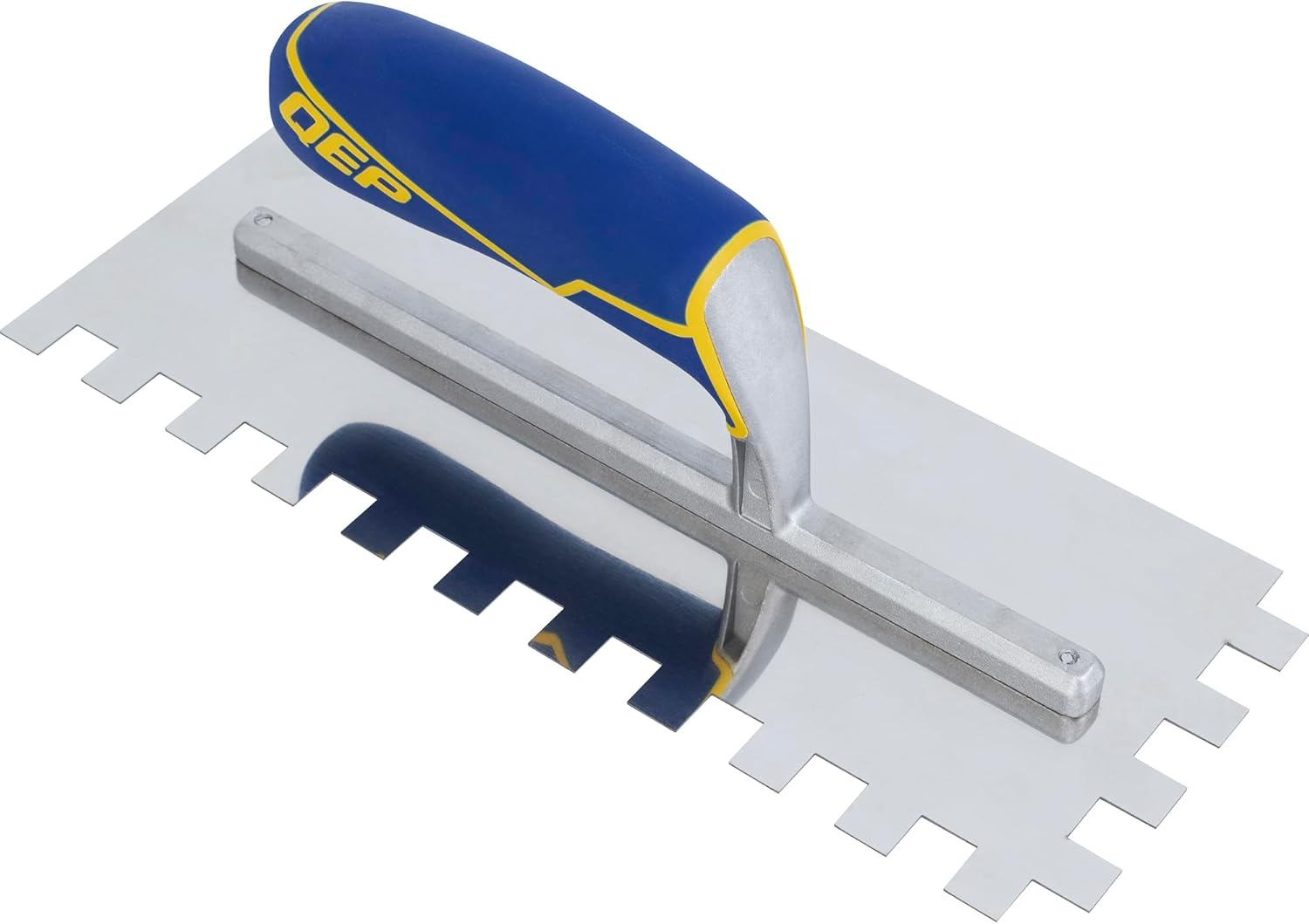
Larger tiles need larger notches for proper coverage. - Mix correctly
Follow manufacturer instructions carefully. Consistency matters. - Apply evenly
Spread adhesive in one direction to avoid air pockets. - Back butter tiles if needed
This improves adhesion, especially for large or heavy tiles. - Allow proper curing time
Do not rush the process. Outdoor conditions may extend curing.
Buying Guide: How to Choose the Right Adhesive
Consider your tile type
Porcelain, natural stone, and ceramic tiles all have different bonding requirements.
Think about climate
In hot and humid areas like South Florida, moisture resistance and flexibility are critical.
Project size
Large projects benefit from high performance mortars, while small repairs may use rapid set options.
Skill level
Some adhesives are easier to work with than others. Choose based on your experience.
Budget
Higher quality adhesives cost more upfront but save money in the long run by preventing failures.
Common Mistakes to Avoid
- Using indoor adhesive for outdoor projects
- Skipping surface preparation
- Applying adhesive too thin or too thick
- Ignoring curing time
- Choosing based on price alone
Final Thoughts
Outdoor tile installation is only as strong as the adhesive behind it. While tiles get most of the attention, the adhesive is what actually carries the load and resists the environment.
For most projects, modified thinset remains the most reliable choice. If you need extra durability, epoxy is worth considering. And for larger tiles, specialized mortars make a noticeable difference.
If you take the time to choose the right adhesive and apply it correctly, your outdoor tile project will not just look good. It will last.
Disclaimer
This content is based on information from various sources and represents recommendations according to available data. Quality and correctness of products are the responsibility of manufacturers and sellers.
Leave a Reply