
If you have ever installed tile, you already know grouting is where everything either comes together or falls apart. You can lay tile perfectly, but if the grout lines are messy, uneven, or poorly filled, the final result will never look professional.
And this is exactly where grout floats matter more than most people think.
A good grout float gives you control, consistency, and clean lines. A bad one will slow you down, waste material, and leave you fighting the surface the whole time. I have seen projects where simply switching to a better float completely changed the outcome.
In this guide, I will walk you through the best grout floats for professional results, what real users say about them, and how to choose the right one for your specific project.
If you like to see more tools check all the posts here.
What Is a Grout Float and Why It Matters
A grout float is a simple tool, but it plays a critical role in tile installation. It is used to push grout into the joints between tiles and remove excess from the surface.
At first glance, they all look similar. But once you start working, differences in material, flexibility, and handle design become very noticeable.
What a good grout float should do:
- Spread grout evenly without skipping joints
- Apply enough pressure without damaging tile edges
- Move smoothly across the surface
- Reduce cleanup time
If your float is too stiff, too soft, or poorly designed, you will feel it within minutes.
Best Grout Floats for Professional Results
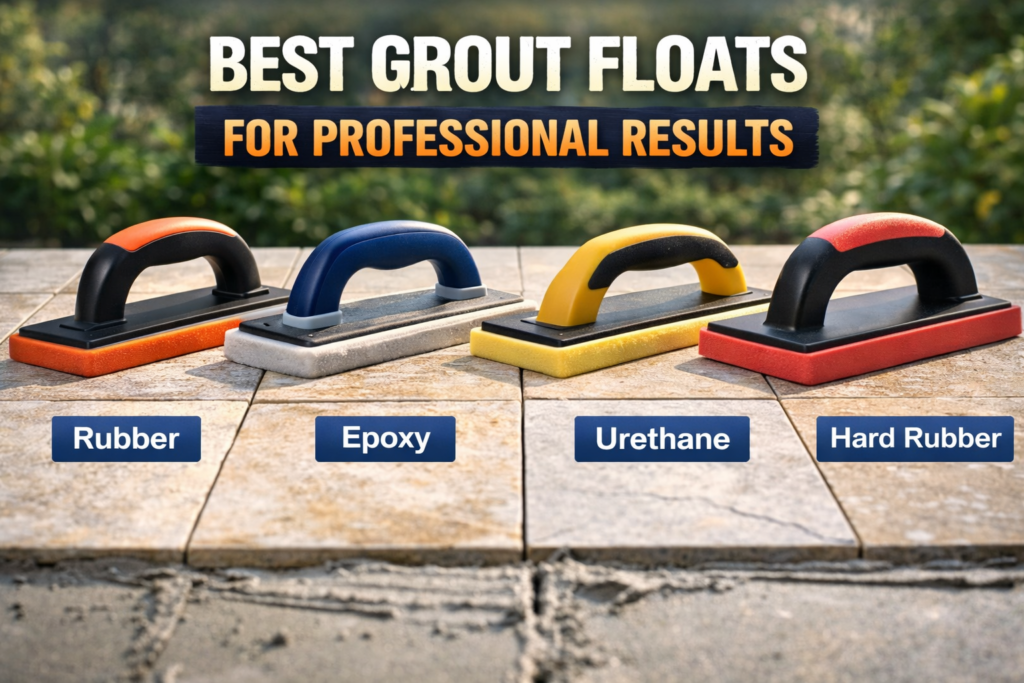
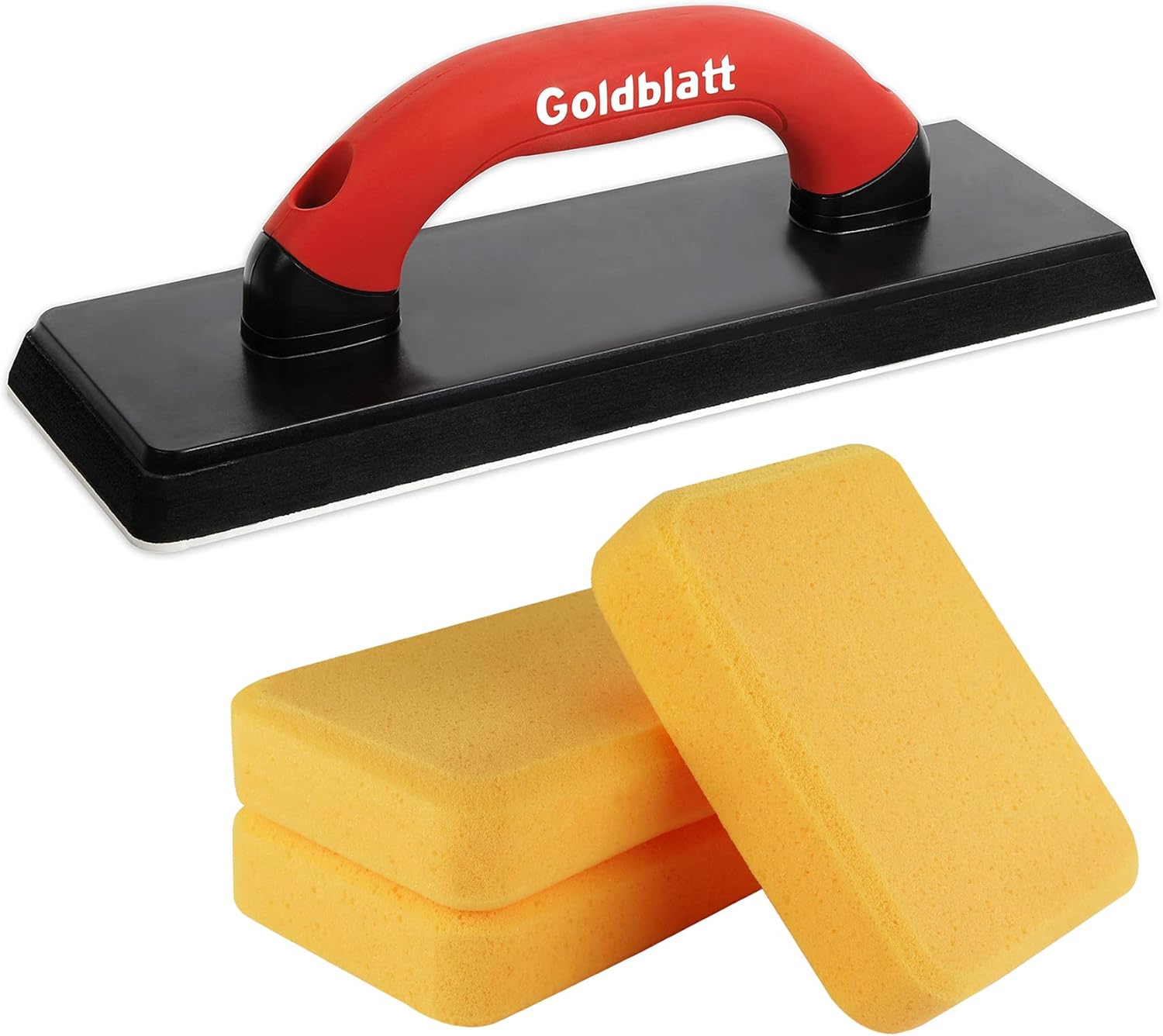
1. Rubber Grout Float
This is the most common and versatile option used by both professionals and DIYers.
Pros and Cons
| Pros | Cons |
|---|---|
| Good balance of flexibility and firmness | Can wear out over time |
| Works with most grout types | May leave slight residue if too soft |
| Easy to control | |
| Affordable and widely available |
Real User Feedback
Most users say rubber floats are reliable and easy to use. Professionals often keep multiple versions with different firmness levels. Some feedback mentions that cheaper rubber floats wear down quickly, especially on rough tile surfaces.
Rubber Grout Float |
|---|
 |
2. Epoxy Grout Float
Designed specifically for epoxy grout, which is thicker and harder to spread.
Pros and Cons
| Pros | Cons |
|---|---|
| Resistant to epoxy sticking | More expensive |
| Very durable | Not ideal for standard grout |
| Firm edge for strong pressure | |
| Long lasting performance |
Real User Feedback
Installers who work with epoxy grout say a standard float simply does not work as well. Epoxy floats hold their shape and make spreading easier. Users also mention they clean up better during the process.
Epoxy Grout Float |
|---|
 |
3. Urethane Grout Float
A newer option that sits between rubber and epoxy floats in terms of performance.
Pros and Cons
| Pros | Cons |
|---|---|
| Smooth application | Higher price point |
| Leaves cleaner finish | Not as widely available |
| Durable material | |
| Works well for delicate tiles |
Real User Feedback
Many users say urethane floats leave a cleaner surface with less haze. They are especially appreciated on polished or delicate tiles where scratching is a concern. Some users hesitate due to the price but feel the finish justifies it.
Urethane Grout Float |
|---|
 |
4. Hard Rubber Float
A firmer version of the standard rubber float, designed for wider joints and rough surfaces.
Pros and Cons
| Pros | Cons |
|---|---|
| Strong pressure for deep joints | Less forgiving on delicate tiles |
| Durable and long lasting | Can be harder to control |
| Works well on textured tiles | |
| Good for outdoor projects |
Real User Feedback
Users working on stone or outdoor tile often prefer harder floats. They mention better grout packing in wider joints. However, beginners sometimes find them less forgiving and harder to handle.
Hard Rubber Grout Float |
|---|
 |
5. Soft Rubber Float
This is a more flexible option, ideal for smooth tiles and fine grout lines.
Pros and Cons
| Pros | Cons |
|---|---|
| Easy to glide across tiles | May not pack grout deeply |
| Gentle on delicate surfaces | Wears faster |
| Good for small joints | |
| Lightweight and easy to handle |
Real User Feedback
DIY users often like soft floats because they are easy to control. Professionals tend to use them for finishing passes rather than primary grouting. Some users report that they are not strong enough for larger joints.
Soft Rubber Grout Float |
|---|
 |
How to Use a Grout Float Properly
Even the best grout float will not give professional results without proper technique.
Step by step process:
- Load the float properly
Scoop a manageable amount of grout onto the float. - Apply at a diagonal angle
Move across the joints diagonally to pack grout evenly. - Use firm pressure
Push grout into the joints rather than just spreading it. - Remove excess grout
Hold the float at a sharper angle and scrape off extra material. - Work in small sections
This prevents grout from drying before cleanup.
Buying Guide: How to Choose the Right Grout Float
Consider the grout type
Epoxy grout requires a specific float. Standard grout works well with rubber or urethane options.
Tile surface
Delicate or polished tiles need softer floats to avoid scratches.
Joint size
Wider joints benefit from firmer floats that can pack grout effectively.
Comfort and handle design
If you are working on a large project, handle comfort matters more than you expect.
Durability
Spending slightly more on a high quality float often saves money over time.
Common Mistakes to Avoid
- Using the wrong float for epoxy grout
- Applying grout without enough pressure
- Holding the float at the wrong angle
- Working too large of an area at once
- Ignoring float wear and tear
Final Thoughts
Grouting is one of those steps where small details make a big difference. The right grout float helps you work faster, cleaner, and with more control.
For most projects, a good quality rubber float is enough. If you are working with epoxy or delicate tiles, specialized options are worth considering. The key is to match the tool to the job rather than using a one size fits all approach.
Once you use the right float, you will notice the difference almost immediately in both the process and the final result.
Disclaimer
This content is based on information from various sources and represents recommendations according to available data. Quality and correctness of products are the responsibility of manufacturers and sellers.
Leave a Reply